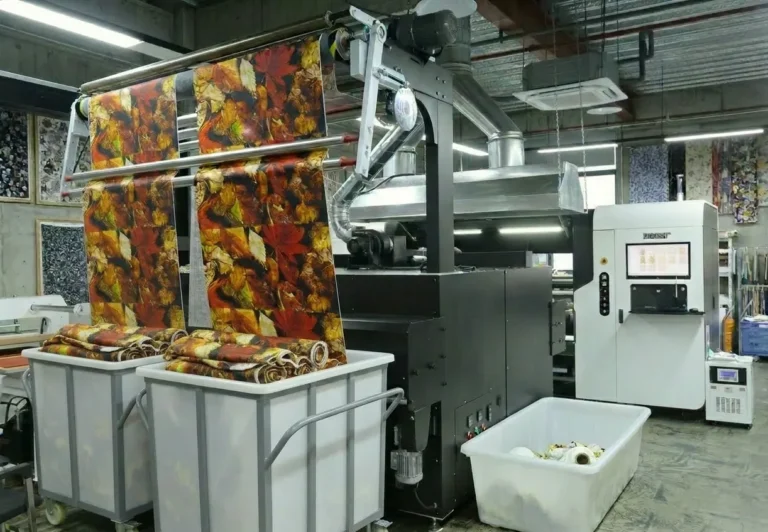
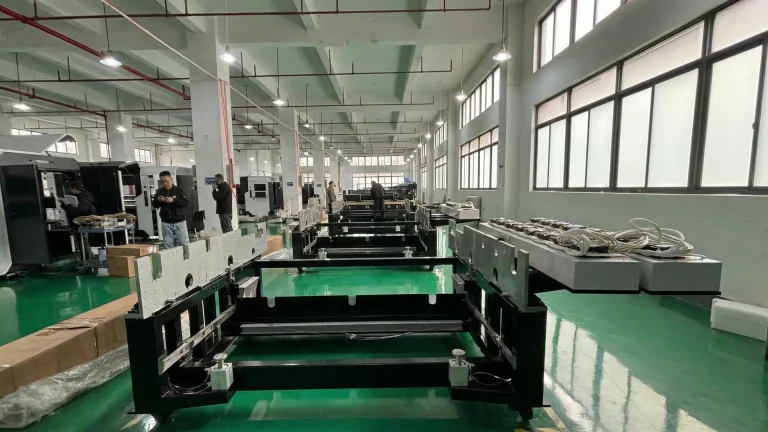
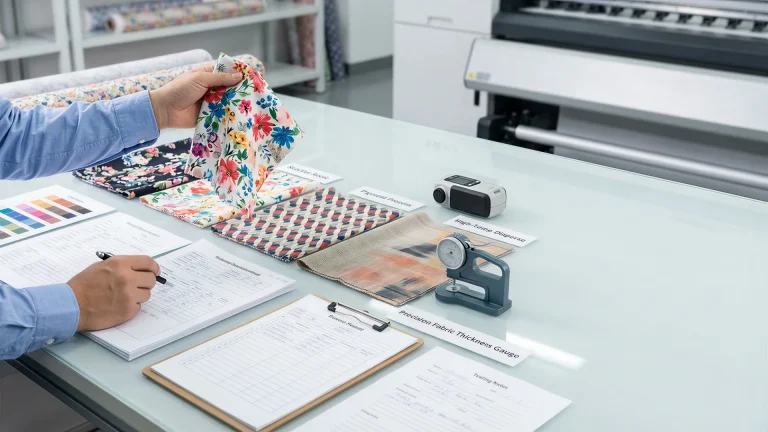
Get clear answers on how to choose between reactive, pigment, and high-temp disperse printing, how to match fabric type with the right H Series model, and how to evaluate width, printhead configuration, production targets, and after-sales support before investment.
How do I choose between reactive, pigment, and high-temp disperse printing?
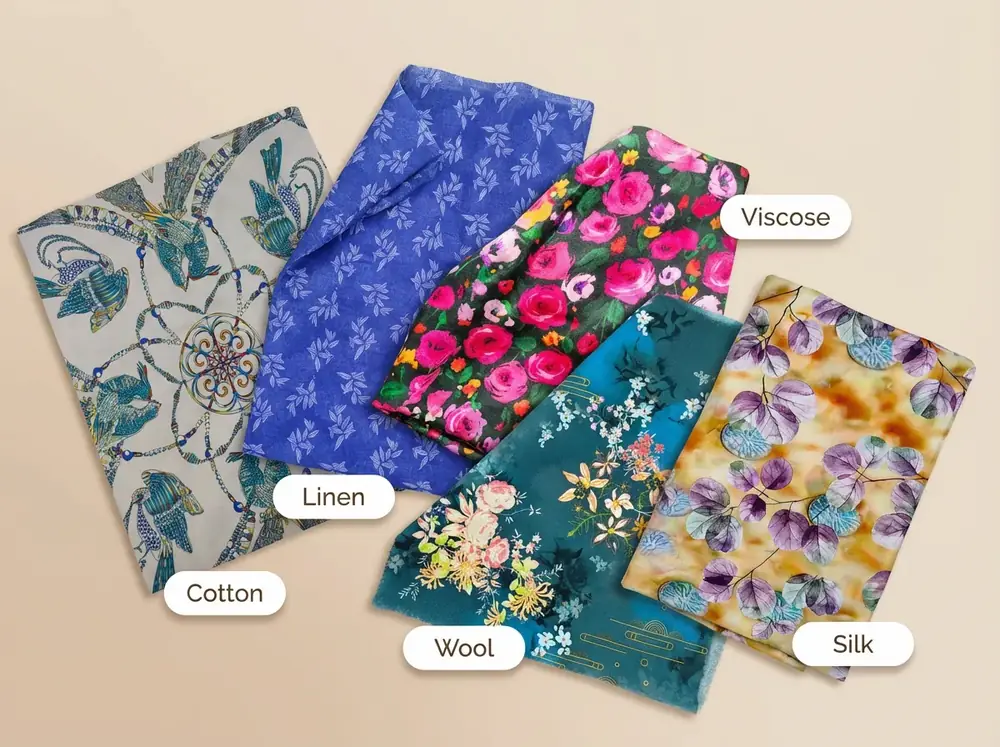
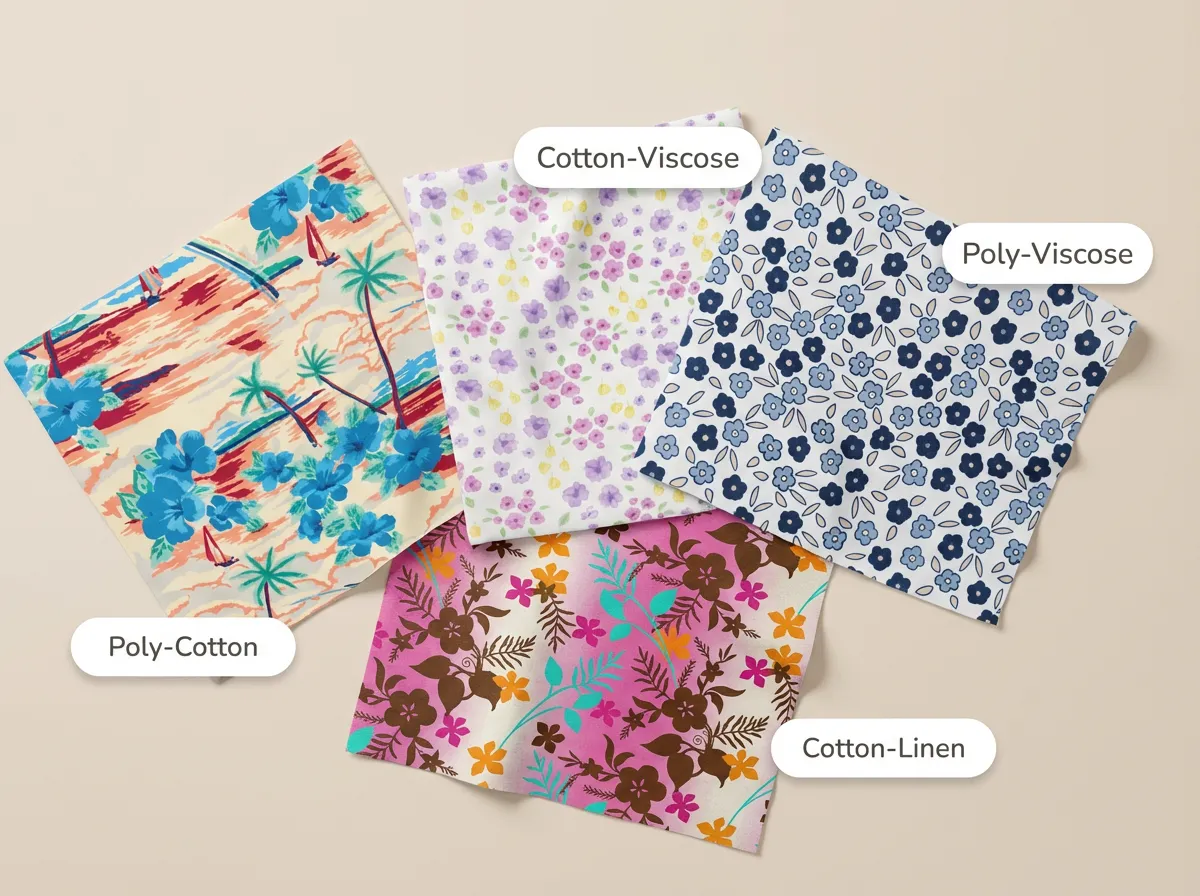
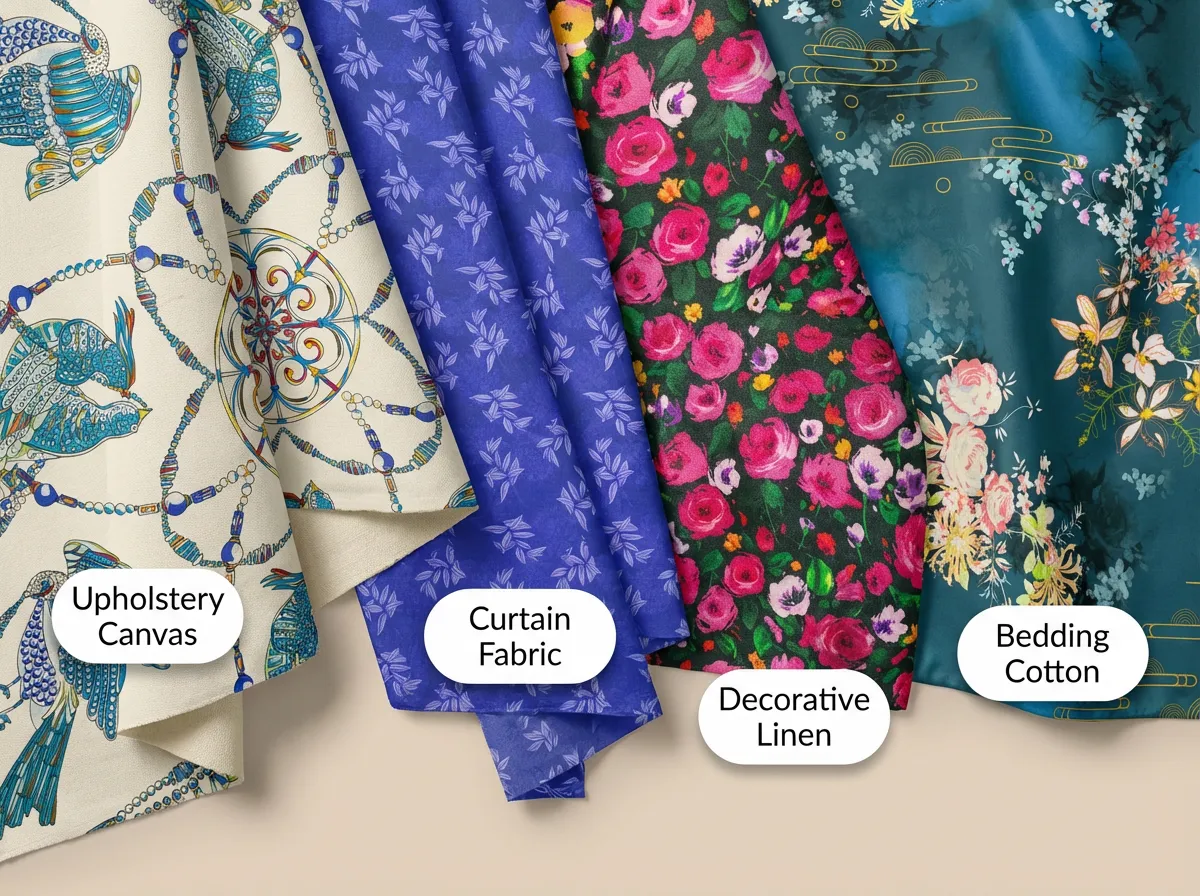
If you work with cotton, linen, viscose, modal, or other cellulosic fabrics, reactive printing is usually the best starting point. If you want a simpler workflow and broader fabric compatibility, pigment printing is often easier to evaluate. If you mainly print polyester or polyester-rich textiles, high-temp disperse printing is usually the better route.
Which process should I choose for cotton and natural fibers?
If you want stronger color brightness, better wash performance, and a softer hand feel on cotton, linen, rayon, or modal, you should usually start with reactive printing. If you want to simplify production and reduce post-processing, pigment printing can also be considered, but it should be judged against your final product requirements.
Which process should I choose for polyester, sportswear, and stretch fabrics?
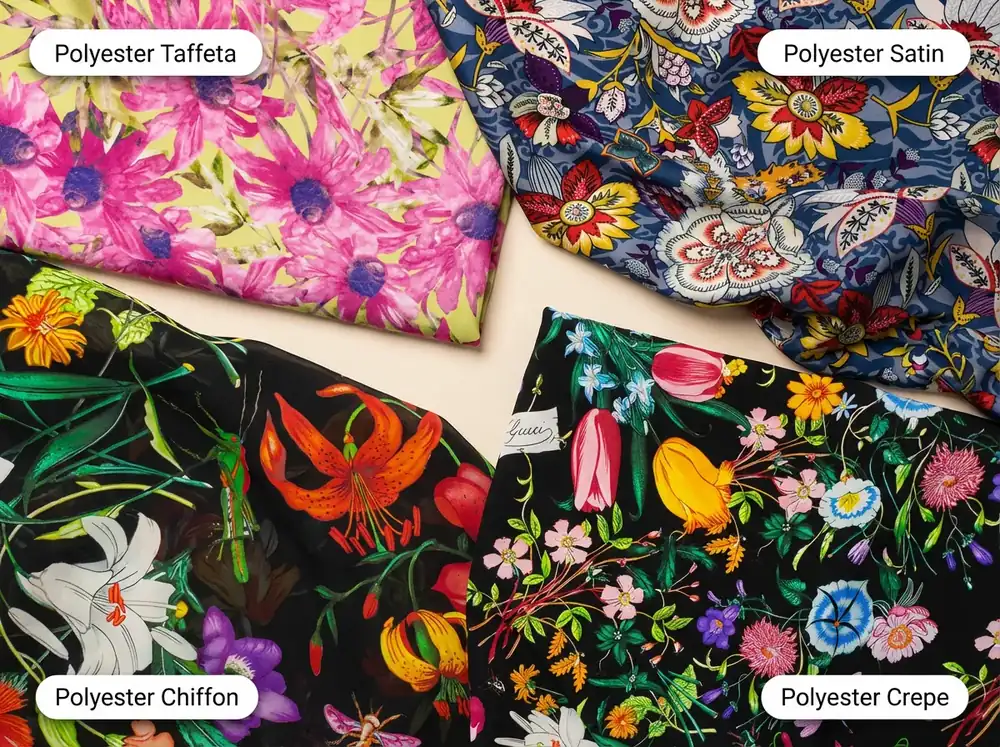
If you mainly work with polyester, sportswear, yoga wear, swimwear, or polyester-rich stretch fabrics, high-temp disperse direct printing is usually the more suitable option. It offers better penetration, less white show-through after fabric turnover, and better control in demanding applications than standard low-temperature transfer in many cases.
Can I use one machine for different ink types?
In some cases, you can switch between reactive, acid, and certain disperse configurations after proper cleaning, but frequent switching is not recommended. If you start with pigment ink, you should usually keep that machine dedicated to pigment because the larger particles are harder to clean completely and can increase the risk of clogging.
Can I print on colored fabric instead of white fabric?
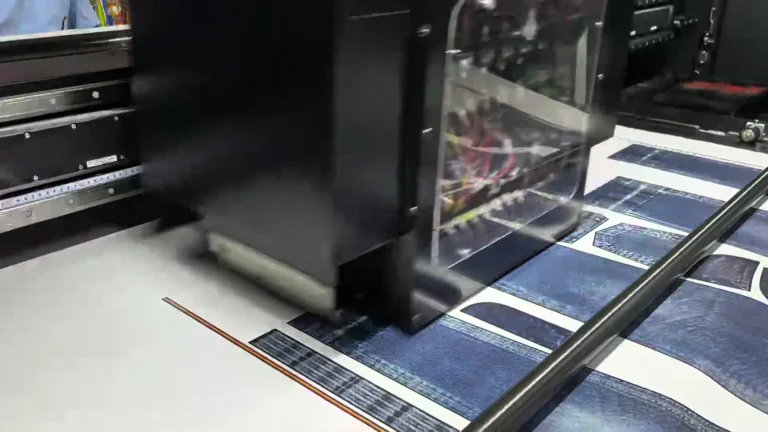
Yes, but the result depends on the fabric ground color and the ink route. If you want to overprint on colored fabric, pigment is usually the more practical option. Even then, the printed design will still be affected by the base color, so lighter fabric shades and darker design colors usually give more stable results.
How do I choose the right printhead for my application?
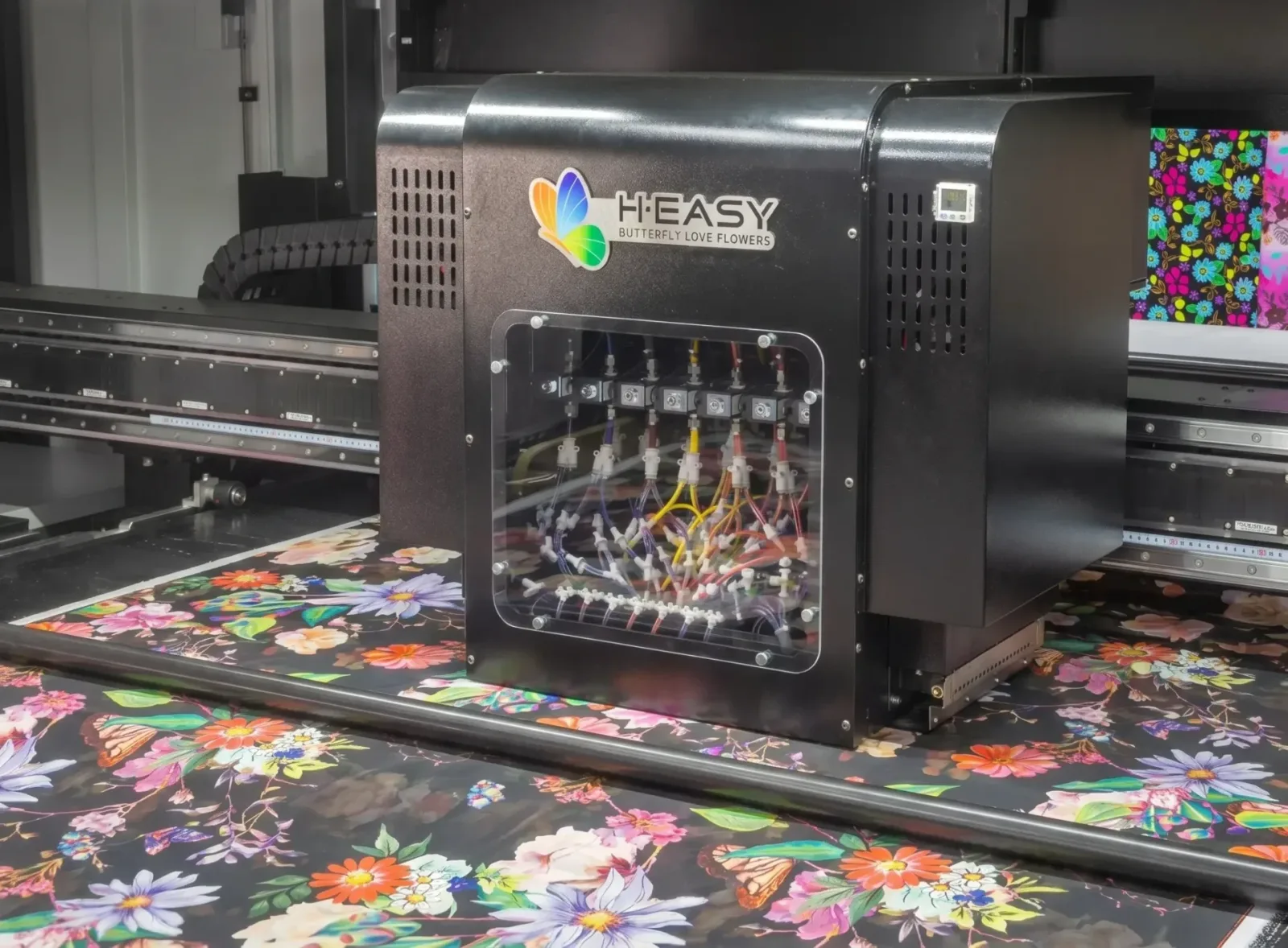
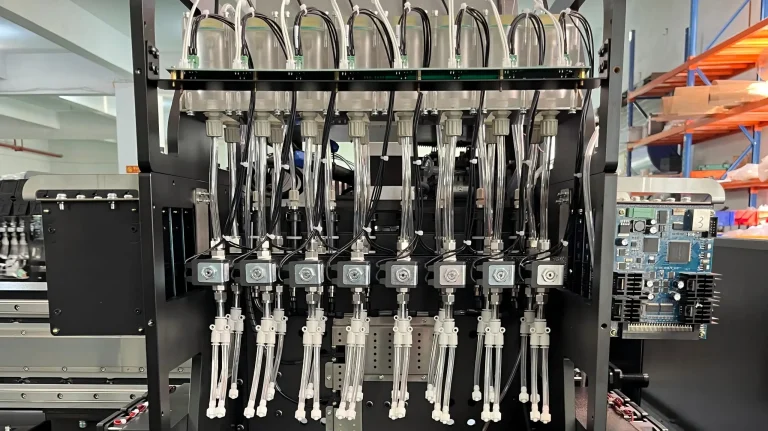
You should choose the printhead based on the result you care about most. If you care more about durability, efficiency, and easier maintenance, Ricoh is often a strong option. If you care more about finer print quality and wider head structure, Kyocera is often considered. If you focus on finer detail and smoother fabrics, Epson-based solutions can also be suitable.
How do I choose the right printing width?
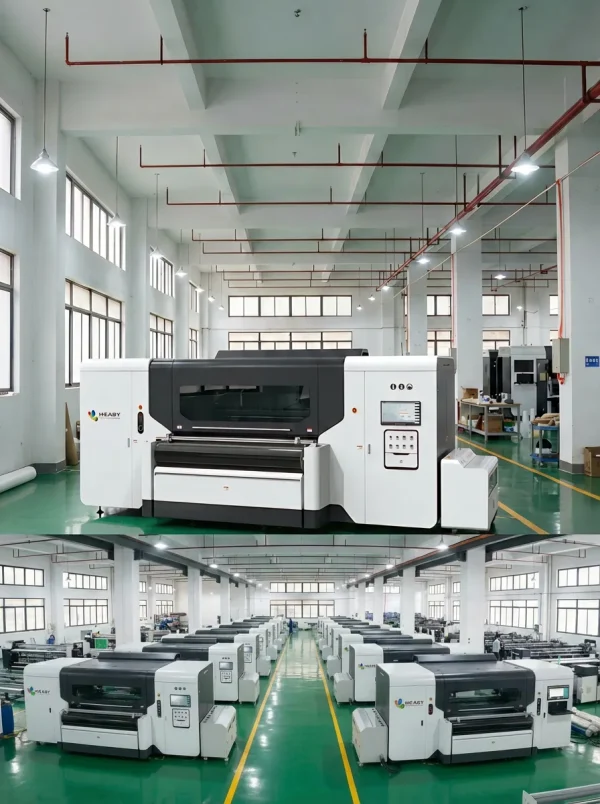
You should choose width based on your main product category. If you work with apparel fabrics, widths around 1.8 m to 2.2 m are usually the main range. If you work with home textiles or wider fabric applications, 2.6 m is the widest in the H-Series. The right width should match your current orders, target market, and fabric roll specifications.
How much does an H-Series roll-to-roll textile printer cost?
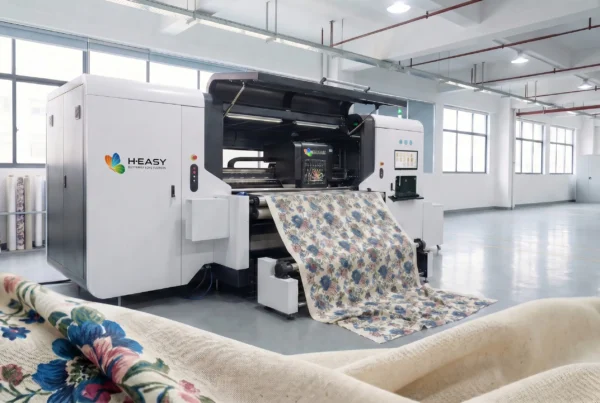
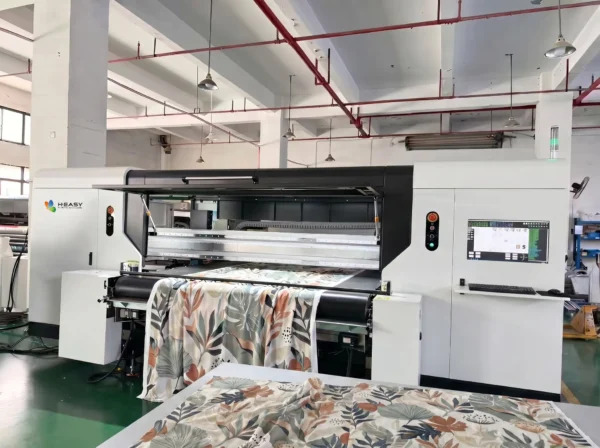
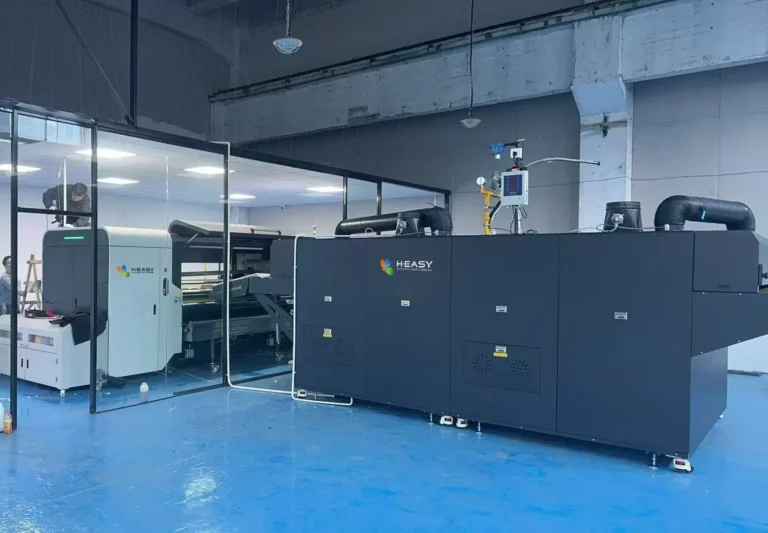
Price depends on the model, fabric width (1.8m to 2.6m), and printhead count (4 to 32 Ricoh Gen 6 heads), plus the ink route and drying setup your fabrics require. Because each line is configured to your output target and facility, we quote per specification rather than publish a fixed list price. Send your fabric type, target daily meter output, and whether 380V power and steaming lines are ready, and our engineers return a configured quote and line plan, typically within one business day.