
Ricoh Gen6 industrial heads
8 / 16 / 24 / 32 head configurations. Variable droplet (5-15 pl) up to 2400 dpi.
Solves: matching throughput to your daily volume without over-spec.
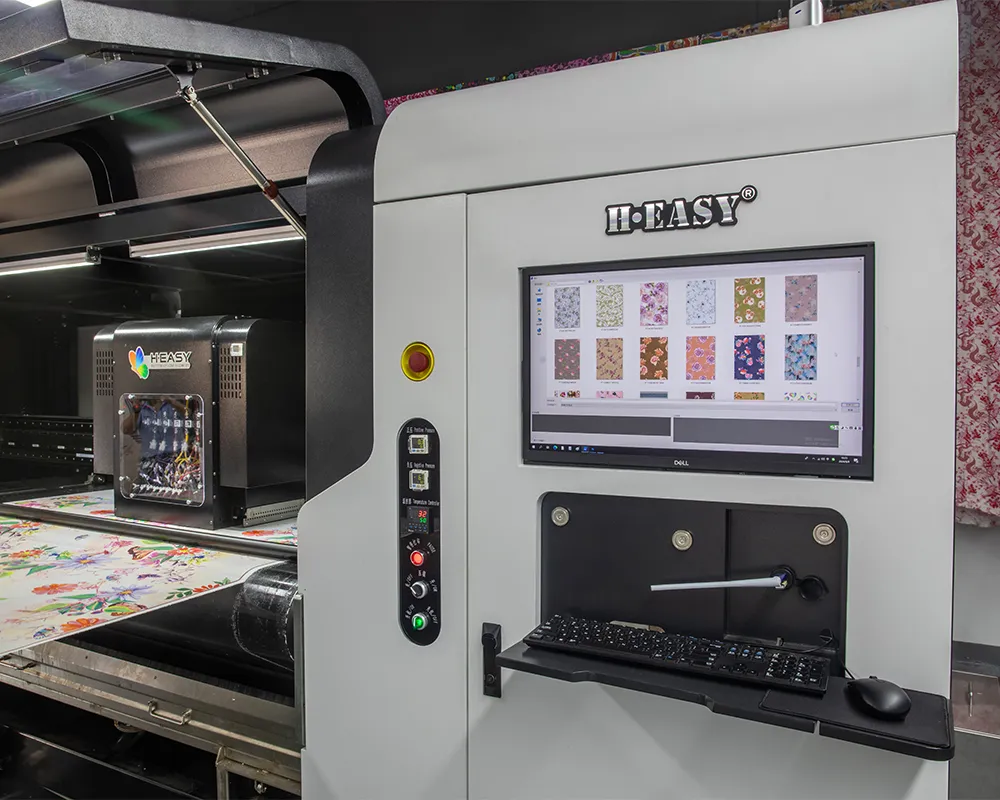
Roll-to-roll (R2R) printing runs fabric continuously from a roll, printing and drying inline - the format for high-volume direct-to-fabric output. The H-Series spans 1.8m to 2.6m widths, 8 to 32 Ricoh Gen6 heads, and reactive, disperse, acid and pigment inks on cotton, silk, polyester and home textiles.
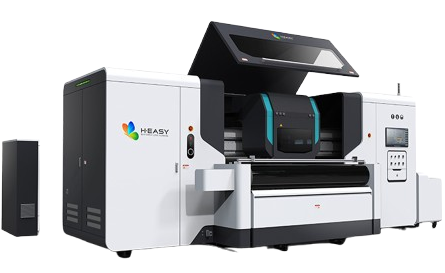
Drag to inspect the H-1832 from the supported front and side angles. The model follows the documented 4,500 × 1,700 × 2,200 mm main-machine envelope, with a separate 700 mm ink-supply cabinet.
The enclosed carriage zone represents the H-1832's 32-head Ricoh Gen6 configuration and protected linear-motion path.
Exterior visualization for product exploration. Final configuration details are confirmed on quotation.
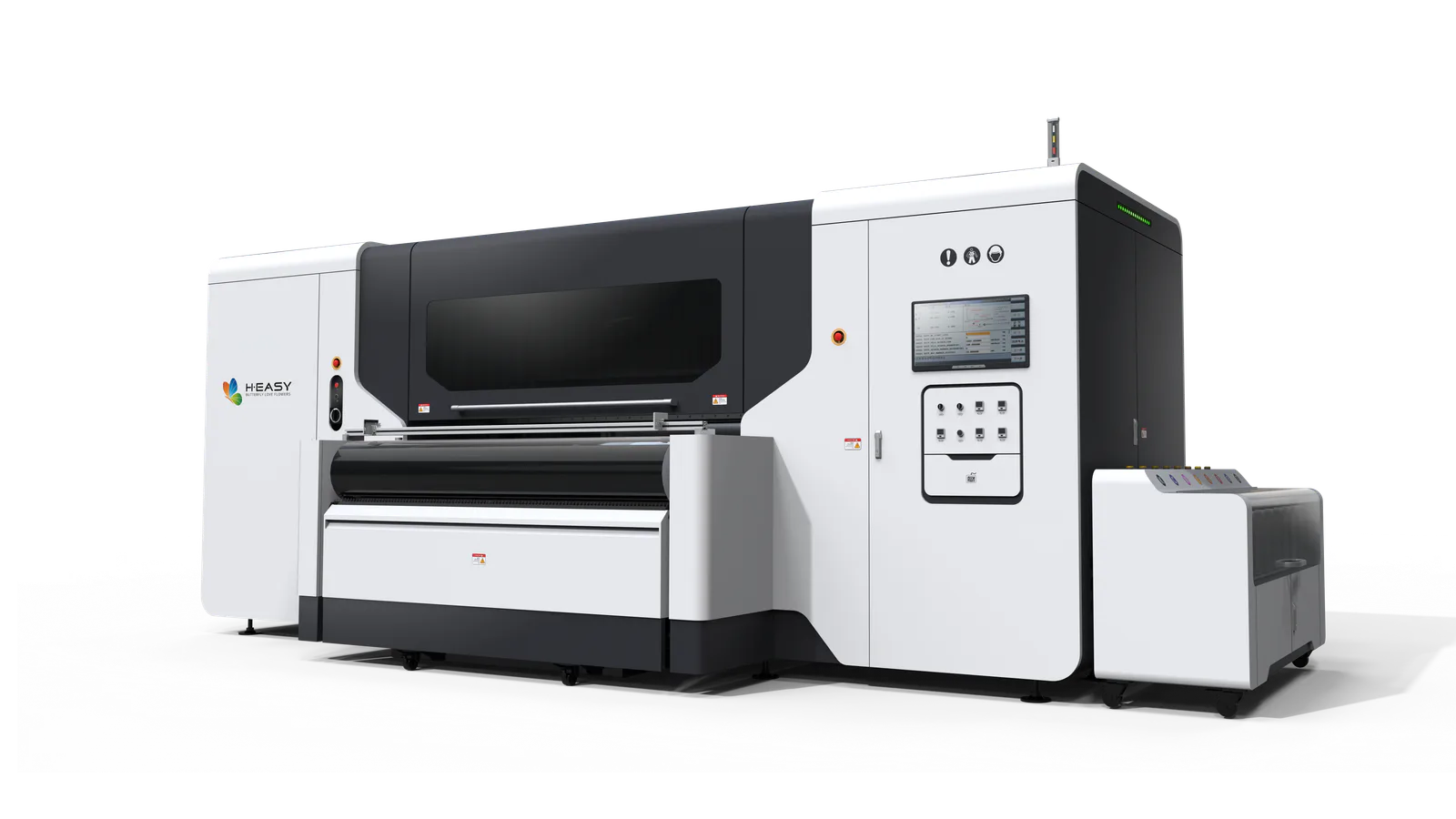
Drag to rotate · Scroll to zoom · Select a numbered point
Whether you run a cotton apparel mill, a silk-scarf line or a 2.6m home-textile floor, the H-Series puts one platform behind every fabric your customers ask for: four ink chemistries and five configurations, built for multi-shift uptime rather than benchtop runs. It serves industrial textile mills, fashion brands running silk and luxury fabrics, home-textile manufacturers producing curtains, bedding and cushions, and sportswear producers that need 1.8m to 2.6m roll-to-roll capacity.
Compare model, width, head configuration and current published speed references. The H-Series published maximum is 650 m²/h.
| Model | Width | Heads | Speed (2-pass) | Speed (3-pass) | Ink systems | Best for |
|---|---|---|---|---|---|---|
| H-1808entry | 1800 mm | 8 × Ricoh Gen6 | 170 m²/h | 120 m²/h | Reactive / Disperse / Pigment | Sampling, lower volume |
| H-1816core | 1800 mm | 16 × Ricoh Gen6 | 330 m²/h | 200 m²/h | Reactive / Disperse / Pigment | Production workhorse |
| H-1824 | 1800 mm | 24 × Ricoh Gen6 | 450 m²/h | 300 m²/h | Reactive / Acid / Pigment | High-volume single-shift |
| H-1832flagship | 1900 mm | 32 × Ricoh Gen6 | 650 m²/h | 450 m²/h | Reactive / Disperse / Acid / Pigment | Continuous multi-shift |
| H-2632flagship | 2600 mm | 32 × Ricoh Gen6 | 650 m²/h | 450 m²/h | Reactive / Disperse / Acid / Pigment | Home textile, 2.6m wide |
Reference values depend on model, pass, fabric, ink, coverage, feathering, environment and sellable-quality acceptance. The current published maximum is 650 m²/h; final line configuration and qualified output are confirmed on quotation.
Every feature solves a real pain point textile mills hit on the shop floor.
8 / 16 / 24 / 32 head configurations. Variable droplet (5-15 pl) up to 2400 dpi.
An operator-triggered negative-pressure cleaning routine clears the heads when a nozzle check shows blockage; no timed automatic-cleaning claim is published.
The ink and printhead route is commissioned against a controlled temperature and humidity range for repeatable production.
Auto-cleaned belt with heating keeps stretch and knit fabrics flat at full speed.
Auto web guiding and wrinkle prevention for unattended long runs.
Large-volume ink tanks reduce ink cost per m² and refill frequency.
Print carriage, web handling and operator-access details for evaluating the H-Series production platform.
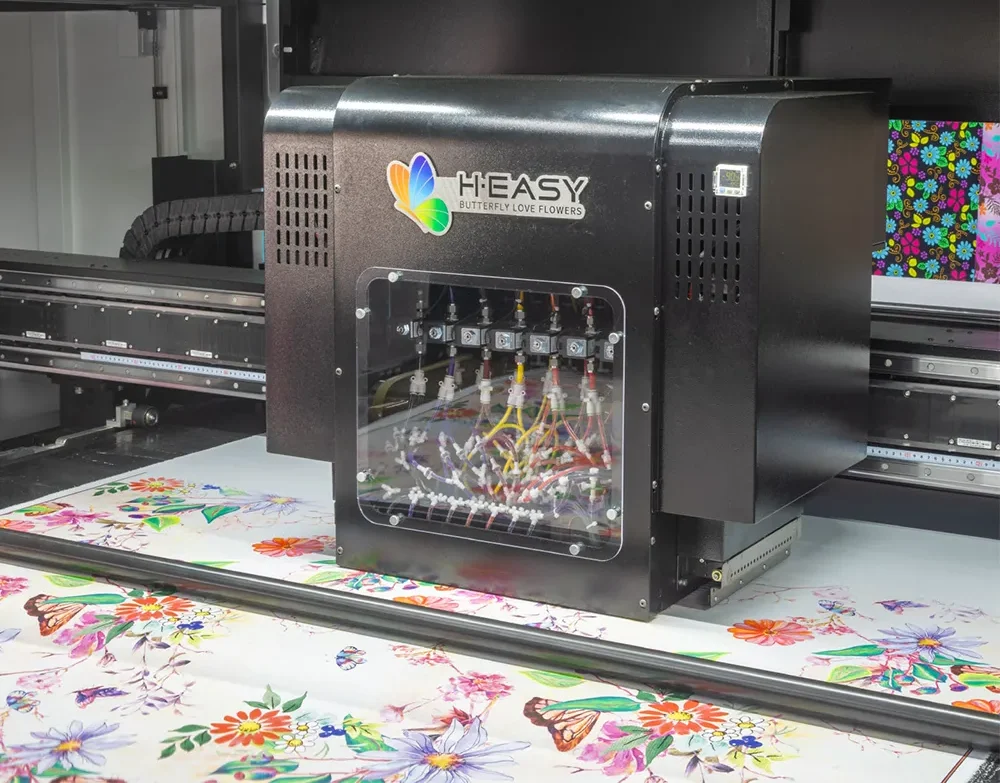
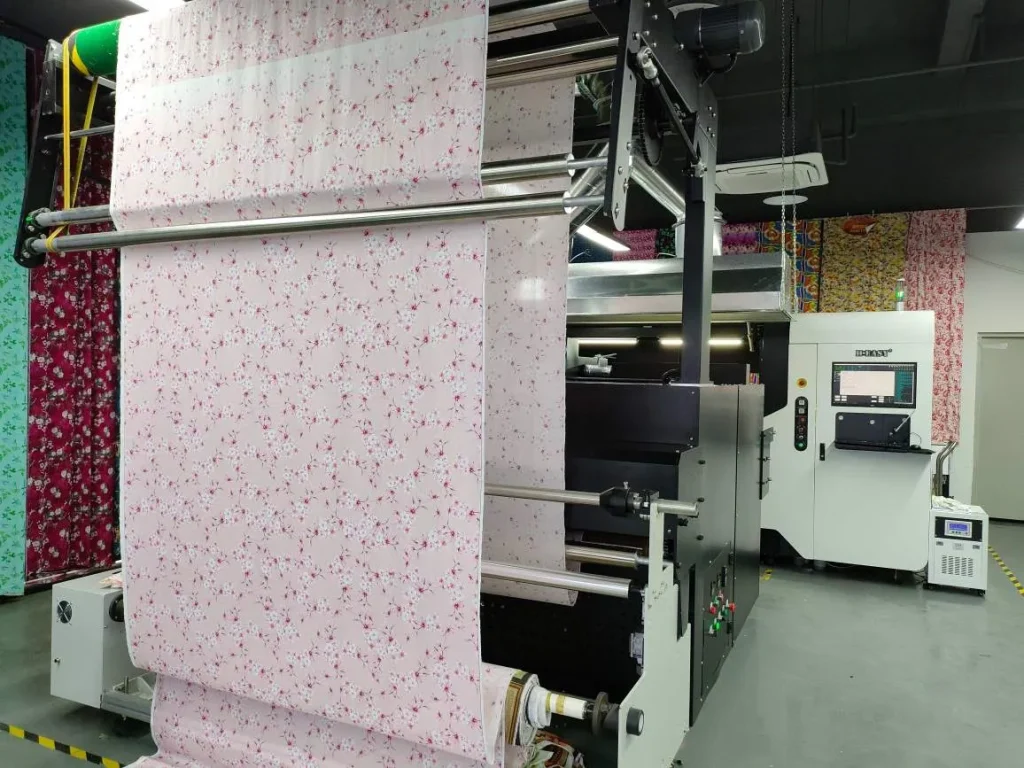
Four ink chemistries on one platform. Pick your fabric, the process follows.
One platform across every fabric your buyers ask for.

Unprinted textile surface
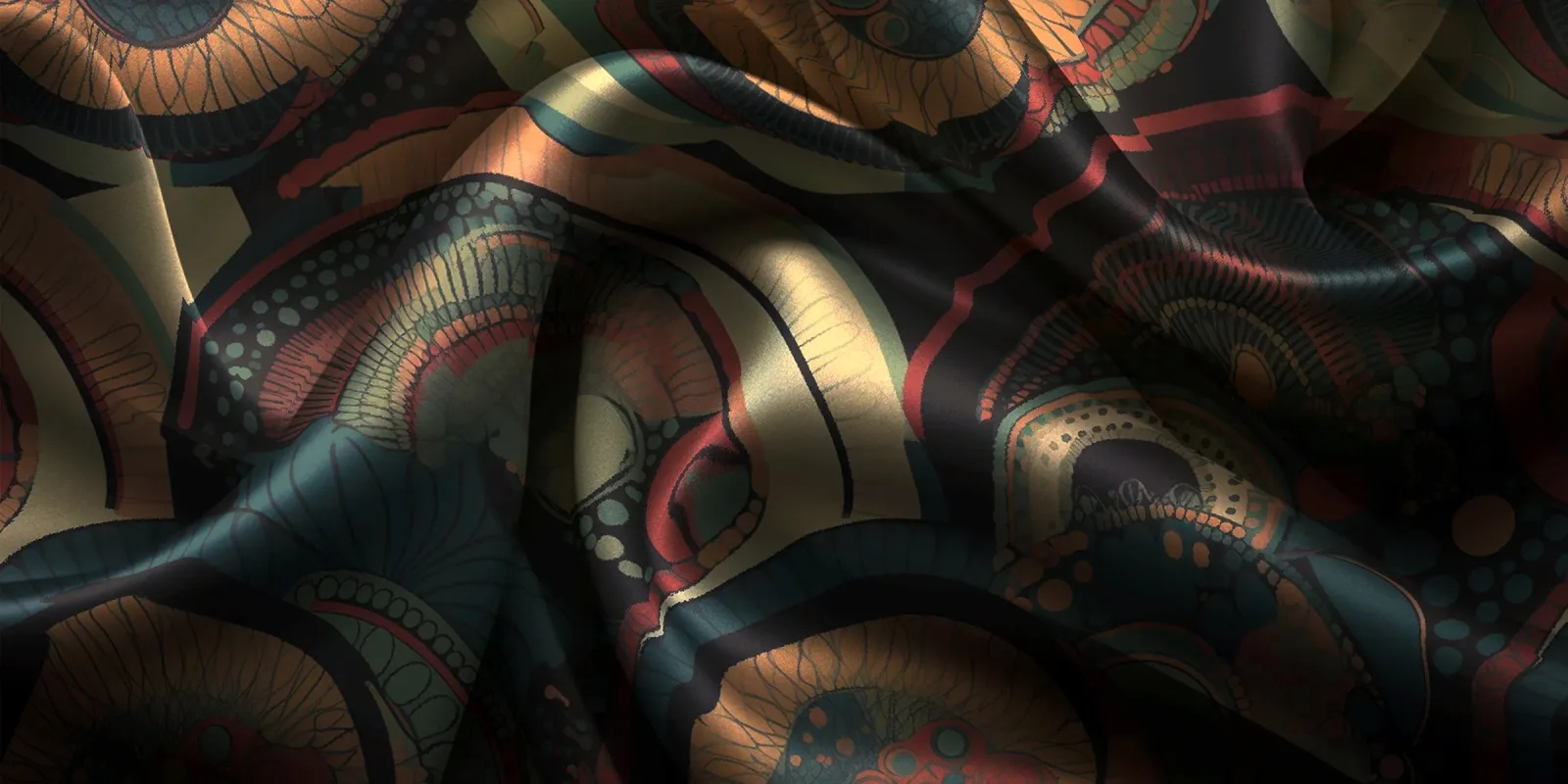
Printed color and pattern result
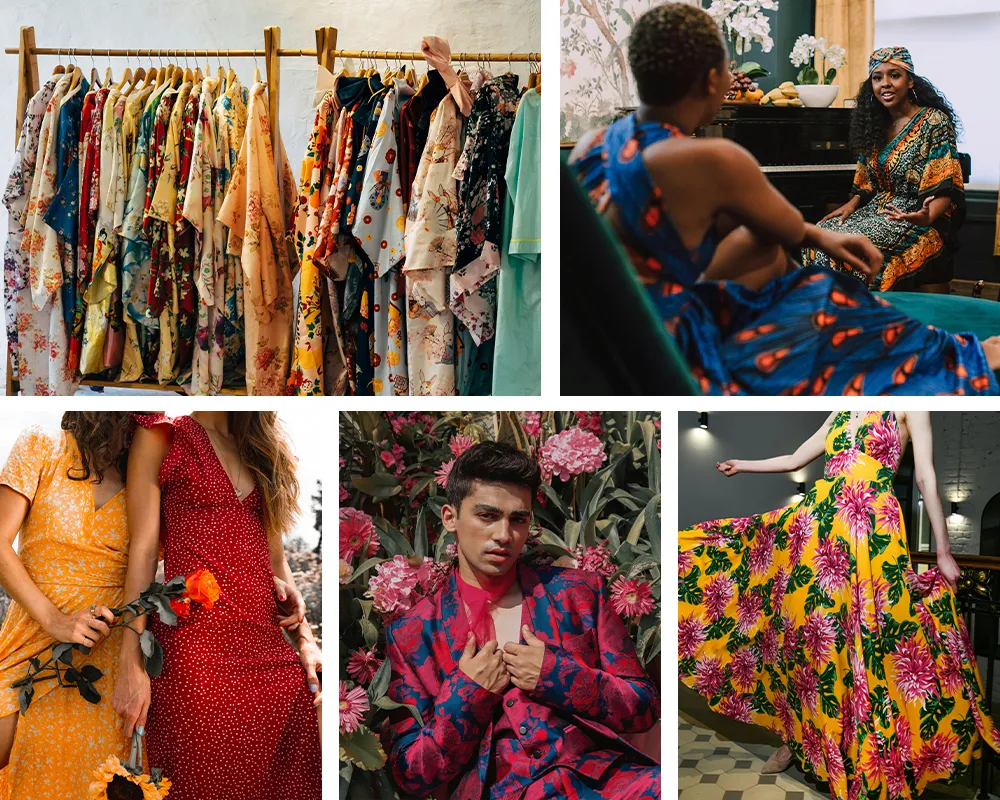
Reactive or acid, soft hand-feel
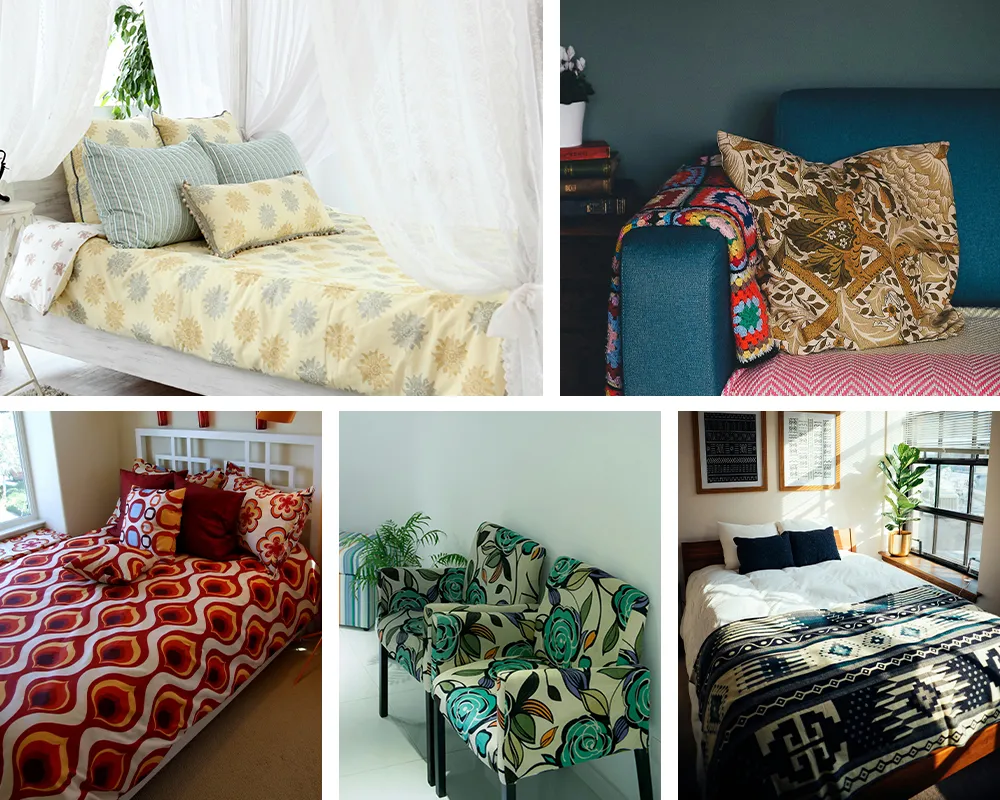
Bedding, cushions, tablecloths
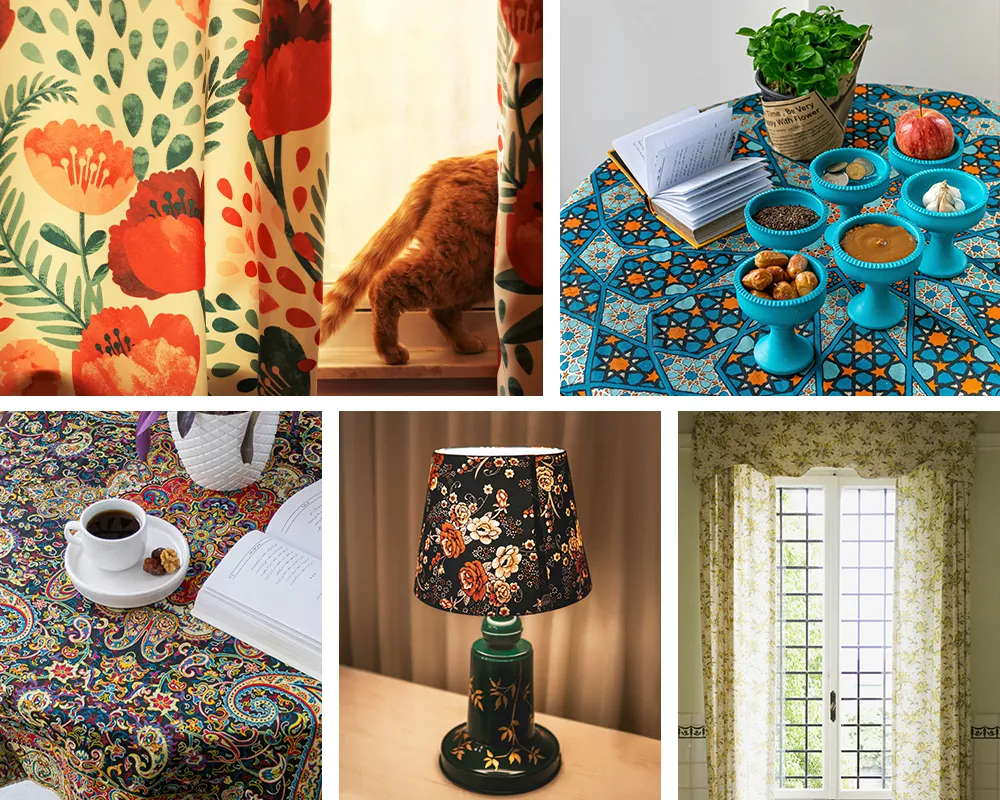
2.6m wide home textile

Disperse on polyester & spandex
Roll-to-roll (direct-to-fabric) wins for continuous fabric at scale - apparel cloth, home textiles and soft signage - where the lowest cost per square metre and highest daily throughput matter most. Its larger up-front investment should be evaluated against expected utilization, labor, consumables and monthly output. DTF transfer (HY-702) wins for on-demand printing onto finished or mixed garments with low setup and no fabric-specific line. DTG (HY-4050) wins for one-off cotton garments and short runs. Tell us your fabric mix and monthly metres and we will prepare a scenario-based cost comparison; there is no universal payback period.
Choose by required width and daily output. The H-1808 (8 heads, ~170 m²/h) suits sampling and lower volume. The H-1816 (16 heads, ~330 m²/h) is the production workhorse. The H-1824 (24 heads, ~450 m²/h) covers high-volume single-shift work. The H-1832 and H-2632 (32 heads, ~650 m²/h) target high-volume mills, with the H-2632 offering 2.6m width for home textiles.
Reactive ink for cotton, linen, silk and wool; disperse ink for polyester; acid ink for silk, wool and nylon; pigment ink for cotton and blends. Ink availability varies by model configuration.
The current published H-Series maximum is 650 m²/h at 2-pass. Comparable sellable output should be tested with the model, head count, print width, ink, pass, resolution, coverage, fabric, feathering and room conditions recorded.
Staffing depends on roll handling, pretreatment, drying, steaming or washing, inspection and shift pattern. The line study confirms operator roles for the complete process instead of assigning a universal one-operator claim to the printer alone.
There is no universal H-Series payback period. It depends on installed line cost, sellable utilization, fabric mix, labor, energy, ink coverage, waste and local selling price. We calculate a scenario from your own daily output and cost inputs rather than publish an unsupported customer-average claim.
Reactive and acid inks require post-print steaming and washing. Disperse requires heat-setting. Pigment ink fixes with heat only, no washing, the fastest turnaround.
Remote diagnostics, video training and model-specific parts planning are available for overseas installations. The final support scope, response channel and any on-site service are confirmed in the quotation for the destination country.
Tell us your fabric, ink and daily output target. We spec the right model, ink mix and budget tier and reply within one business day, in your language.
Call +86 188 1877 5015 or email hanleading@hanleading.com.