From Flat to 3D: Jersey Logo Customization with UV-DTF Technology
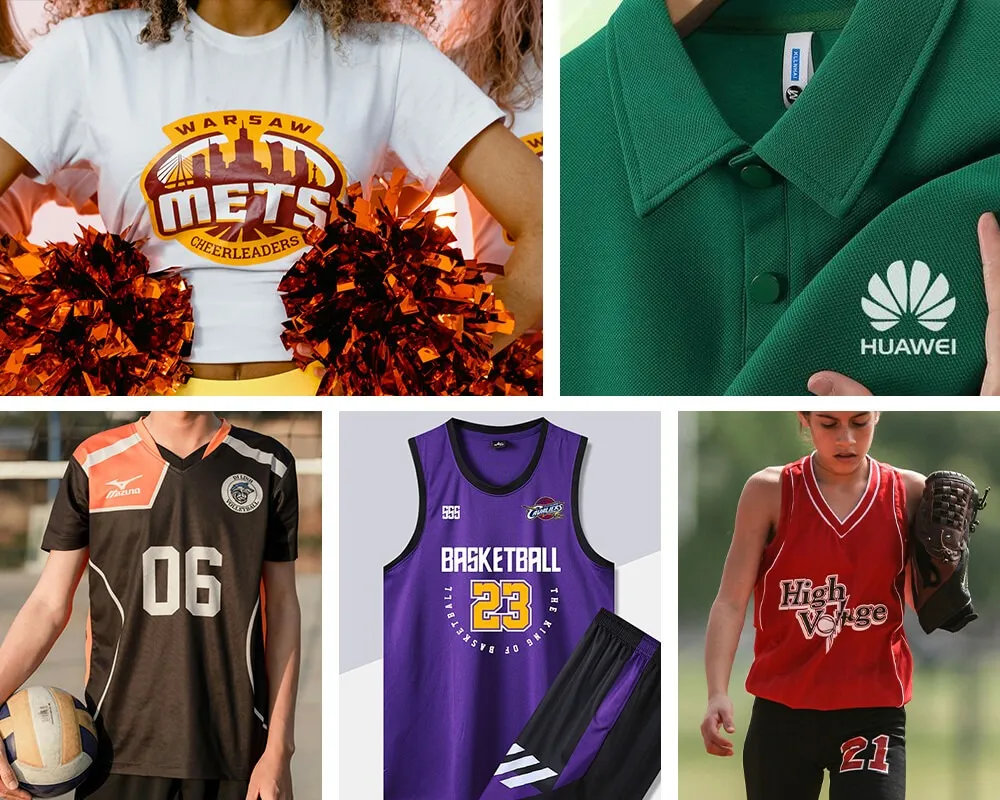
UV-DTF technology enables 3D raised silicone-like patches for jersey logo customization - the kind of tactile finish previously requiring silicone molds, multi-layer screen-print, or embroidery. Layered UV ink deposition on TPU/PET film builds height and texture in a single print job, then heat-presses onto the jersey. 50+ wash durability, no mold investment.
What is a UV-DTF silicone-like 3D raised patch?
A multi-layer UV-DTF print on transfer film that produces an embossed, tactile effect when applied to fabric. The print stack:
- White ink layers - build the embossed height structure
- Color ink layers - form the visible design
- Varnish layers - create the textured / glossy finish
- UV cure between each layer - locks each layer in place
- Heat-press transfer - final application onto the jersey
The result feels like a thin silicone patch but is produced entirely on a UV-DTF printer - no mold, no silicone, no specialized casting equipment.
Workflow
- Design the patch artwork with height information (where the 3D raised areas should be)
- Print on a UV-DTF machine like the HY-702 UV 65cm - multiple passes for white height, color, varnish
- UV cure between passes (built into the printer)
- Laminate the print stack to a B film (cold lamination)
- Cut the design from the carrier sheet
- Heat-press onto the jersey at the heat-press settings appropriate to the jersey fabric (typically polyester or polyester blend)
Why UV-DTF replaces traditional methods
vs. silicone molding
- No mold investment - small-batch and one-off customization becomes economical
- Faster turnaround - no mold-making lead time
- Lower minimum order quantity - single jersey customization is viable
vs. embroidery
- Doesn’t unravel under abrasion (embroidery thread can)
- Faster setup per design - no thread color changes, no needle swaps
- More consistent quality across operators
vs. flat plastisol screen-print
- Truly 3D - embossed height that screen-print can’t match
- Soft hand on stretch fabric - doesn’t crack like thick plastisol on stretching jerseys
- Higher wash durability in many use cases
Production setup
A typical 3D jersey patch production line uses:
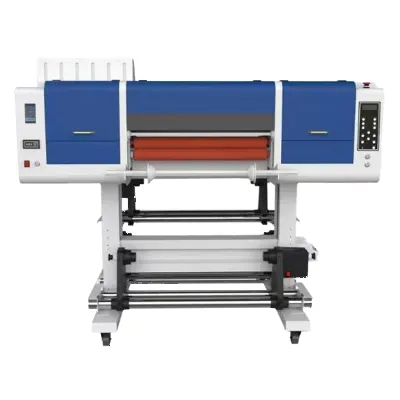
- HY-702 UV 65cm UV-DTF printer - 3-head color/white/varnish for one-pass layered print, water-cooled UV cure, auto feed and take-up
- Cold lamination station for the A+B film stack
- Cutter (digital or contour-following) for individual patches
- Heat-press for jersey transfer
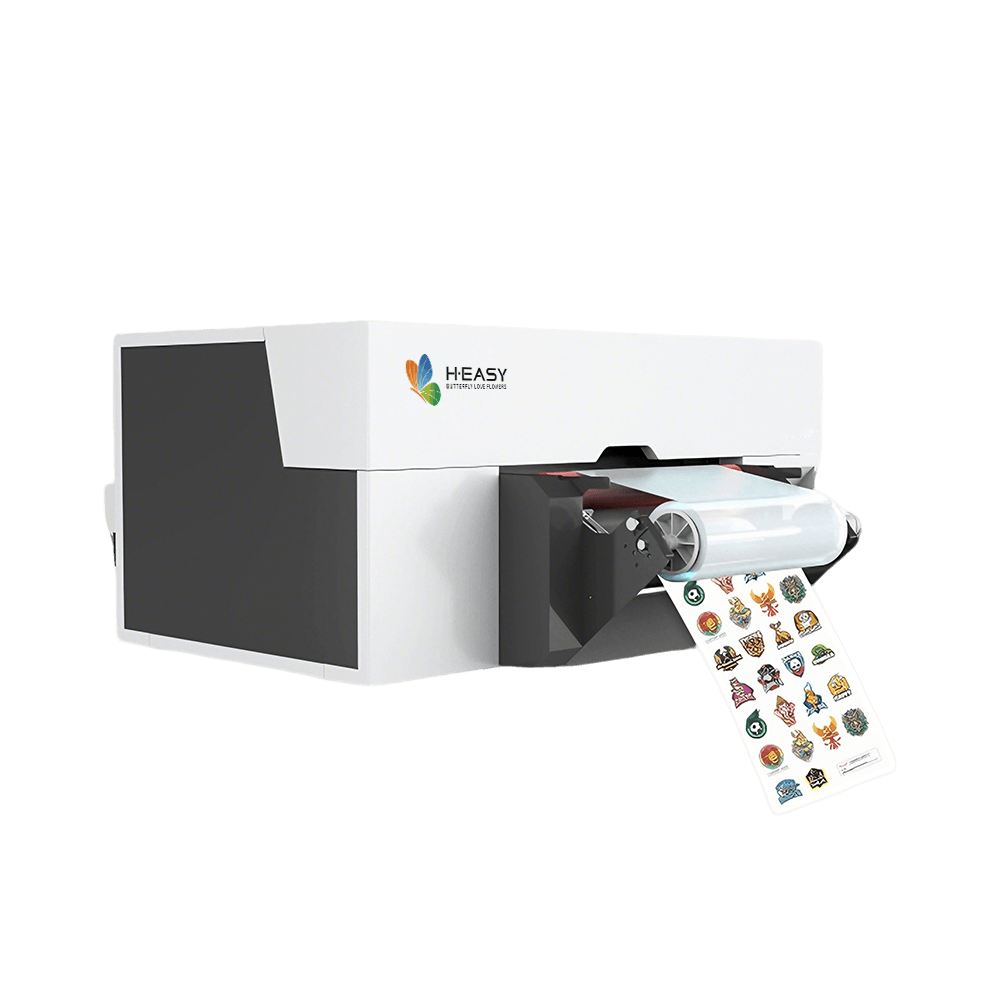
For desktop or sample-scale 3D UV-DTF work, see the HY-401 30UV UV-DTF printer.
Applications beyond jerseys
The same workflow produces 3D raised patches for:
- Sports team uniforms (numbers, logos, sponsor patches)
- Outdoor gear (technical wear, branded accessories)
- Premium streetwear with tactile branding
- Promotional patches and small-batch corporate apparel
- Cosplay and themed costume customization
Conclusion
UV-DTF brings 3D raised patches into the same on-demand, mold-free workflow as flat transfer printing. Jersey customization that previously required mold investment or hand-embroidery now runs at single-piece economics. For teams, brands and contract printers serving sportswear, this is a meaningful capability expansion.
See also
Printers matched to this guide