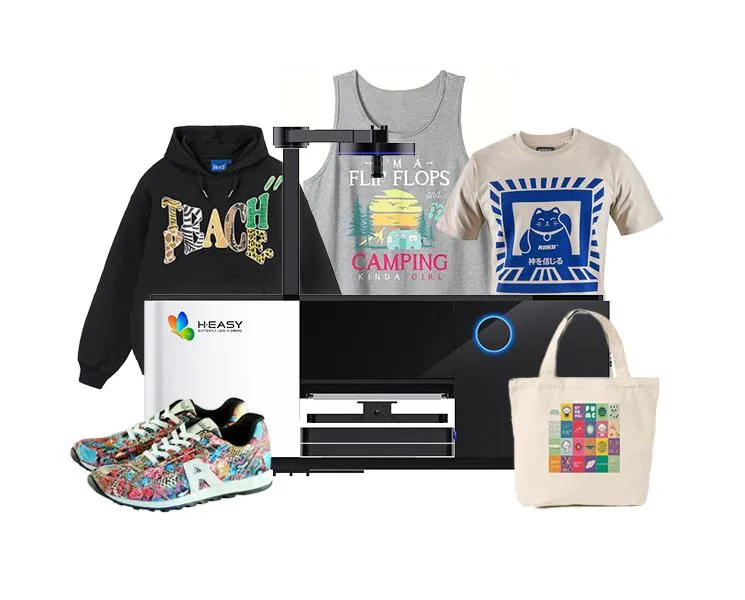
Sublimation vs DTG: How to Choose the Right Garment Printing Method
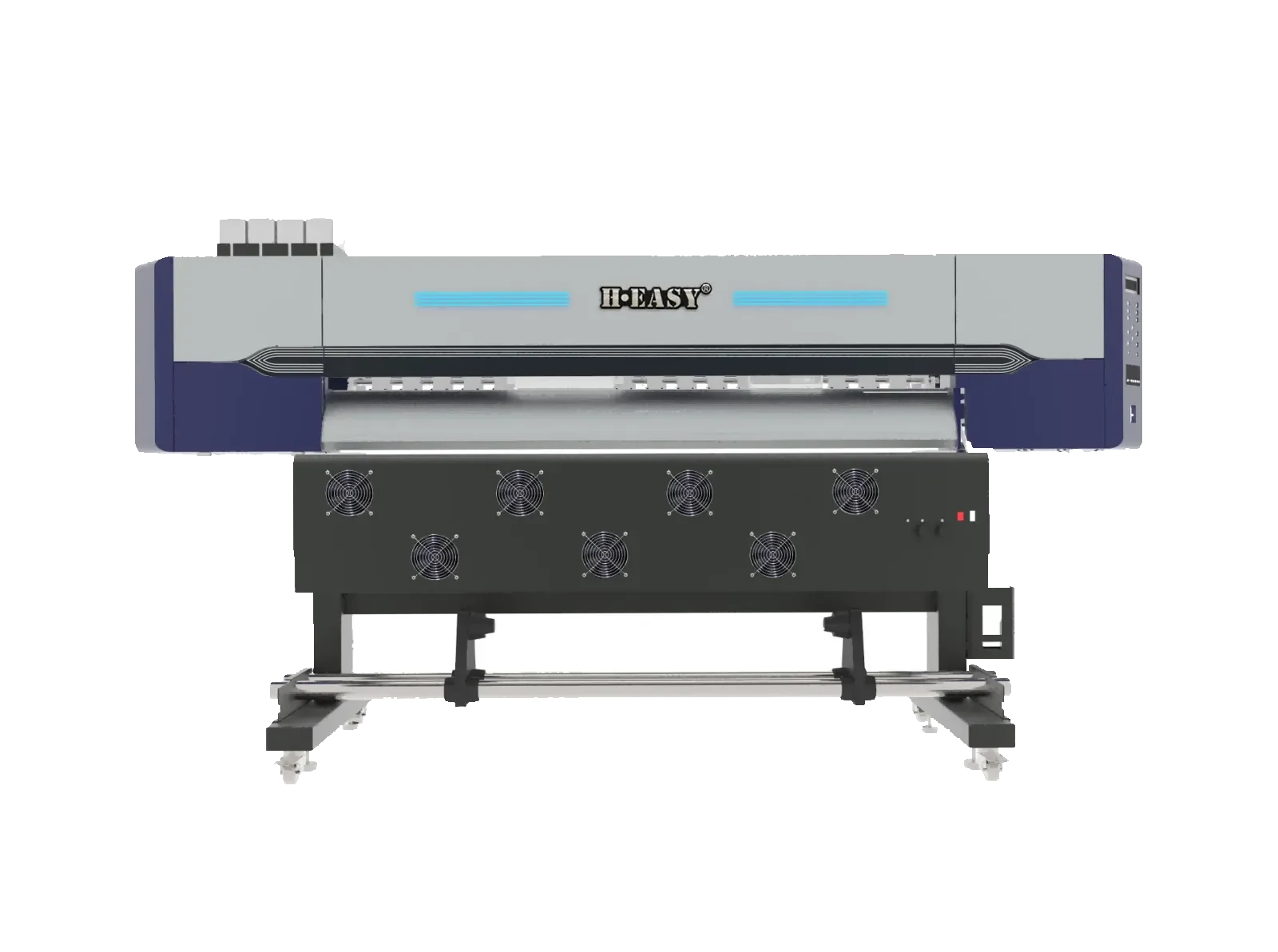
Sublimation prints on polyester only, with permanent, no-feel color. DTG prints on cotton (or cotton-heavy blends), with rich detail and mandatory pretreatment for dark fabric. The two processes target different fabrics and don’t substitute for each other - fabric content decides the choice.
Printing principles
Sublimation uses solid dye that transforms to gas under heat and bonds molecularly inside polyester fibres (or polymer-coated rigid surfaces). The dye becomes part of the fibre - it’s not on the surface.
DTG uses water-based pigment ink jetted directly onto pretreated fabric. The ink sits on the surface of the fibre, held there by the pretreatment polymer.
Material compatibility
| Method | Best materials |
|---|---|
| Sublimation | Polyester fabrics, polymer-coated hard goods (mugs, phone cases, coasters) |
| DTG | Cotton, linen, bamboo; works on light and dark with appropriate pretreatment |
Cotton is the dividing line. Sublimation washes out of cotton; DTG fades on polyester. Choose by fabric content first.
Durability and color
- Sublimation: bright, vivid colors with smooth gradients. No cracking or peeling - the dye is the fibre. Lifetime durability on polyester.
- DTG: rich detail and subtle gradient handling. Slight fade after many industrial wash cycles; soft hand on cotton.
For premium polyester products that need to look new after 50+ washes, sublimation is structurally better. For premium cotton products, DTG delivers a softer hand than DTF or screen printing.
Cost and production
| Factor | Sublimation | DTG |
|---|---|---|
| Equipment cost | Lower per output unit | Higher |
| Throughput | Fast (batch transfer paper) | Slower (one piece at a time) |
| Per-piece cost | Low on polyester | Higher (ink + pretreat) |
| Best for | Bulk polyester production | Small-batch cotton on demand |
A wide-format sublimation printer like the HY-1704 / HY-2004 prints up to 110 m²/h on 1.9 m web - vastly more area per hour than any DTG line. A mid-range DTG like the HY-4050 runs 50–200 cotton shirts per day at A2 format.
When to choose sublimation
- Polyester apparel - sportswear, swimwear, performance gear, team uniforms
- Polymer-coated rigid substrates - mugs, phone cases, coasters, metal panels, ceramic tiles
- Soft signage and home textiles on polyester
- Bulk runs of the same design - paper transfer batches cheaply
When to choose DTG
- Cotton apparel - premium T-shirts, hoodies, totes
- Small-batch, on-demand custom designs
- Dark fabric with appropriate pretreatment
- High-detail photographic artwork where ink-on-fibre softness matters
Running both
Many garment factories run both - sublimation for polyester sportswear production and DTG for premium cotton work. Order intake routes by fabric:
- Polyester → sublimation line
- Cotton → DTG line
- Cotton/poly blends → DTG (cotton-dominant) or DTF (polyester-dominant)
- Mixed fabric daily orders → add DTF as a third process
See DTG vs DTF profitability for the third-process decision.
Conclusion
Sublimation and DTG don’t compete - they cover different fabric ranges. A factory serving “all apparel” needs at least DTG (cotton) and either sublimation (polyester) or DTF (mixed fabric); ideally all three. Choose based on fabric content first, run volume second, and budget third.
Printers matched to this guide