The Global Shift from DTG to DTF: What Apparel Brands Need to Know
Apparel-decoration businesses are shifting from DTG to DTF globally. IDC reported DTF system shipments rising significantly in Q2 2024 while DTG shipments declined, and the trend has been visible since late 2021. This post explains why brands need to plan around this shift - particularly if their current setup is DTG-heavy.
Structural DTG limitations
DTG (direct-to-garment) is good at what it does - soft-hand prints on cotton apparel - but several structural limits are pushing brands toward DTF:
- Limited fabric compatibility restricts product expansion. DTG struggles on polyester, blends and synthetics; brands wanting a wide product line need a second process.
- Production workflow not designed for volume growth. DTG ties the printer to the press in a one-shirt-at-a-time loop with pretreatment in front of each piece.
- Print position and garment structure constraints. Multi-platen loading, garment thickness limits, and platen alignment are bottlenecks at volume.
- Color consistency challenges on dark garments. Pretreatment application variation is a constant source of dark-fabric defects.
DTF advantages driving the shift
- Near-universal material compatibility - cotton, polyester, blends, denim, nylon all run on the same workflow with no fabric pretreatment.
- Separation of printing and application - transfer films are printed, powdered and cured separately from the heat-press step, enabling flexible scheduling and rush-order fulfillment from stock.
- More predictable cost structure - no pretreatment chemistry to manage; per-piece consumable cost calculable from artwork coverage.
- Consistent durability and color across fabric types - same workflow, same expected output.
See DTG vs DTF profitability for the cost detail and why DTF performs exceptionally on dark fabrics for the dark-garment quality story.
Market data
IDC’s research confirms the shift through equipment shipments:
- DTF shipments rising significantly since late 2021
- DTG shipments declining at industrial price tiers
- Q2 2024: largest measured DTF/DTG divergence to date
This isn’t a marketing claim - it’s reflected in equipment manufacturer order books and industry analyst reports.
What brands should do
The reasonable response depends on current setup:
If you’re DTF-only
You’re already aligned with the shift. Consider adding DTG only if premium cotton with softest hand is a brand priority - otherwise scale your DTF production.
If you’re DTG-only
Add DTF rather than replace DTG. Specifically:
- Keep the DTG for premium cotton work
- Add a DTF line for: dark synthetics, mixed-fabric SKUs, short runs, rush orders
- Market-level planning budget for adding both production processes: ~$20K–$35K. This is not a price quote for either machine. Compare the HY-4050 DTG workflow with the HY-702 60cm DTF workflow, then request configured quotations for the selected lines.
If you’re starting fresh
Start with DTF as the primary process. Add DTG later if the premium cotton segment becomes a strategic priority. See how much does it cost to start a DTF printing business.
What the shift unlocks for brands
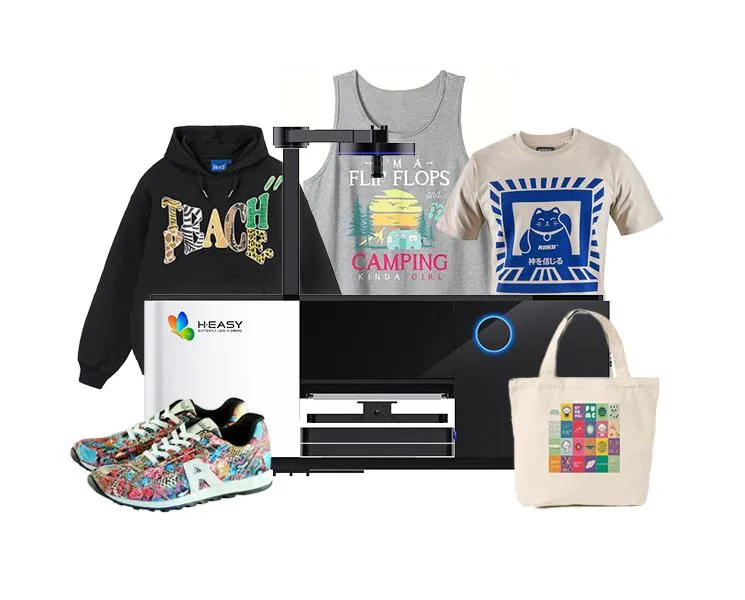
- Rapid product line expansion beyond basic apparel - bags, hats, workwear, sportswear, accessories
- Improved profitability through workflow efficiency
- Stronger customer responsiveness via stock-film rush fulfillment
Conclusion
The DTG-to-DTF shift is a business model evolution, not just an equipment swap. DTF reduces the technical constraints that limit apparel-decoration businesses and unlocks new product categories. The brands moving fastest are those treating DTF as their main process and DTG as a premium-segment add-on, rather than the historical reverse.
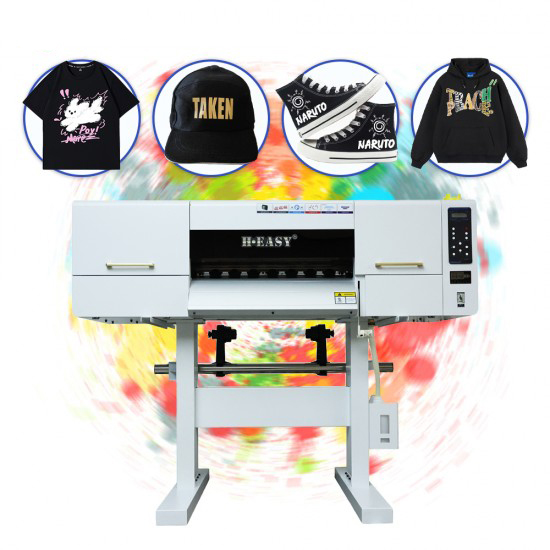
For production-class DTF, see the HY-702 60cm DTF printer. For desktop or sampling, HY-401 30cm DTF.
Printers matched to this guide