DTF Printer Maintenance Checklist (Daily / Weekly / Monthly)
A consistent DTF printer maintenance routine separates print shops that hit 99% uptime from shops that lose hours weekly to nozzle failures, white-ink clogs and head replacements. Daily is the most important tier - most production-side failures are caught (or missed) in the pre-shift check. Weekly and monthly prevent slow degradation. This is the checklist.
Why maintenance matters
DTF printheads are precision parts running water-based pigment ink that settles, dries fast, and is unforgiving of contamination. The two failure modes that matter:
- Acute: a clogged nozzle, a torn wiper, a dirty cap. Caught and fixed in minutes - if you look.
- Chronic: gradual head face degradation, gradual carriage drift, gradual white-ink line buildup. Caught only by routine inspection.
Daily routine catches acute; weekly + monthly routine catches chronic.
Daily maintenance
Run these before and after every production shift:
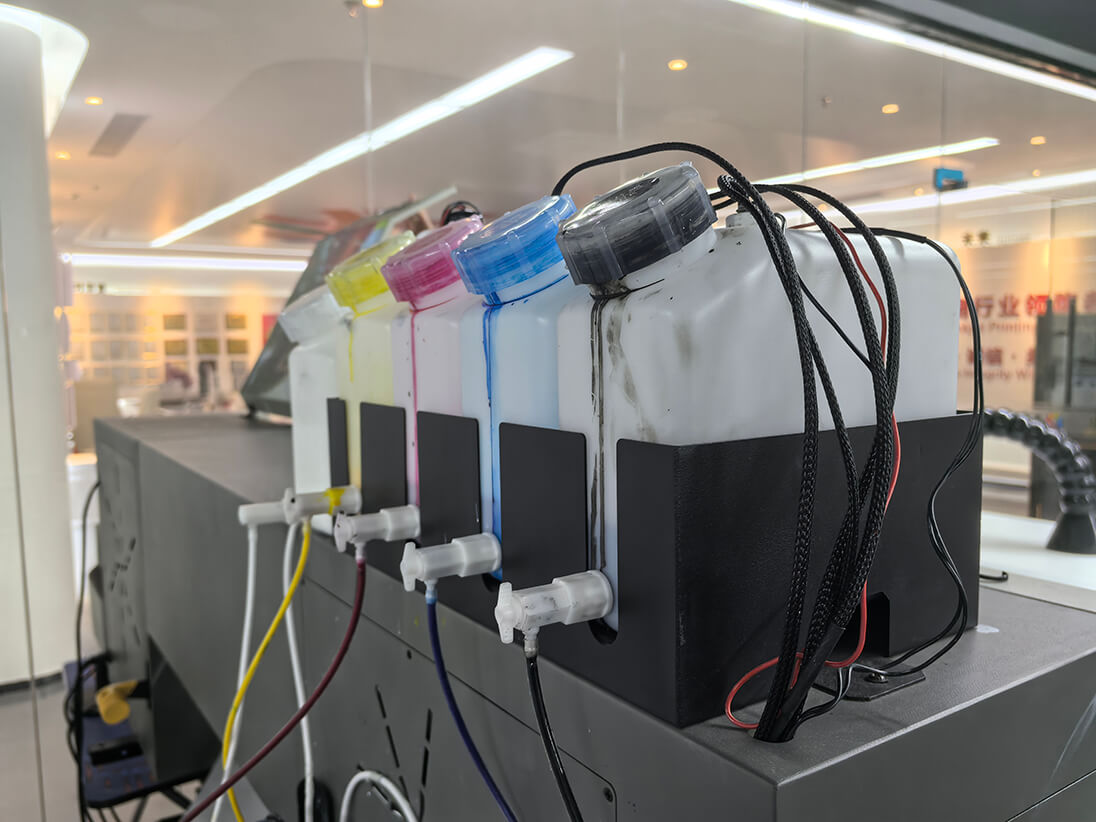
- Check white-ink circulation is running (audible pump or status LED)
- Print a nozzle check pattern; verify all CMYK + W nozzles fire
- Standard clean if any missing nozzles detected
- Clean cap top surface to remove dried ink residue
- Wipe wiper blade to prevent ink buildup on the edge
- Verify ambient temperature and humidity are 20–28 °C / 40–60% RH
- Post-shift: cap the heads, seal inks, leave circulation on
Weekly maintenance
- Clean absorbent pads inside the capping unit
- Inspect ink tubes for air bubbles, leakage or aging
- Empty and clean the waste-ink container
- Gently clean the encoder strip with isopropyl alcohol on a lint-free wipe - critical for positioning accuracy
- Visual inspection of carriage rails for ink/powder contamination
Monthly maintenance
- Inspect cap top seals and absorbent pads - replace if worn
- Check wiper blade elasticity - replace if hardened or torn
- Verify white-ink circulation pump / motor runs at correct speed
- Lubricate guide rails per machine TDS (typically a light grease)
- Deep-clean capping station with maintenance solution
- Filter inspection - replace ink filters per service schedule
- Test print at full white coverage to verify nozzle health under load
Common problems and their maintenance origin
| Problem | Likely missed step |
|---|---|
| Missing white nozzles | Skipped white-ink circulation check or capping clean |
| Banding in color | Cap seal worn, or encoder strip dirty |
| Print misregistration | Encoder strip contamination, or carriage rail debris |
| White-ink streaking | Wiper blade torn or hardened |
| Patchy powder adhesion | Out-of-spec humidity, or ink under-curing |
Production-grade printers help
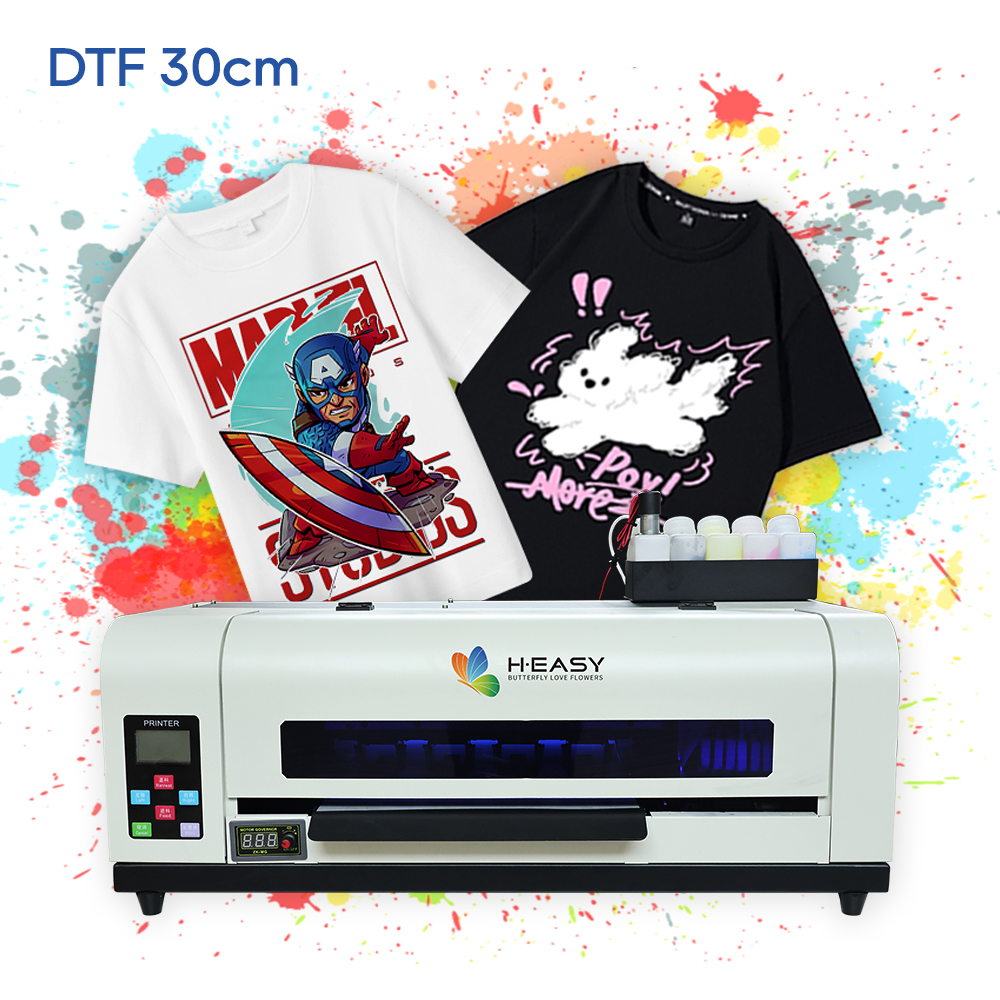
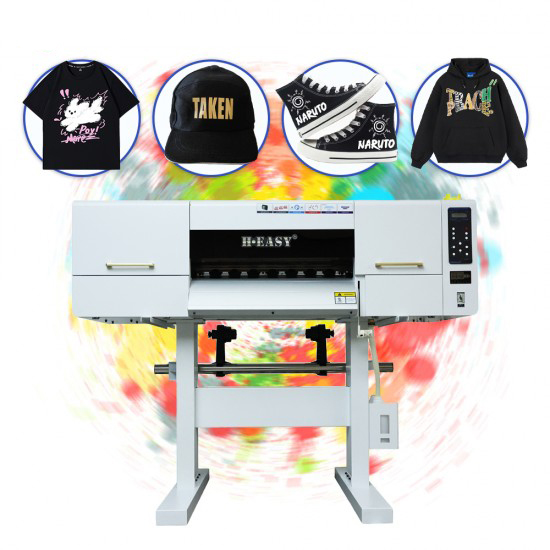
Machines with built-in white-ink reliability features reduce the maintenance burden significantly. The HY-702 60cm DTF printer ships with HyCIRC™ recirculation and a 72-hour factory burn-in; the HY-401 30cm DTF uses auto stirring + circulation with scheduled purging.
Conclusion
Maintenance is a documented routine, not a feel-it-out activity. Print the daily/weekly/monthly checklists, hang them by the machine, sign off after each one. The cost of a 5-minute daily check is dramatically less than the cost of a half-day reprint or a $1,000+ premature printhead replacement.
Printers matched to this guide