How to Prevent DTF Print Fading: Ink, Curing, and Maintenance Tips
A properly produced DTF print withstands 40–50 wash cycles with minimal visible fading. Fading usually traces to one of four causes: under-cured prints, weak white underbase, low ink density, or wrong wash care - all preventable. This guide walks the chain from ink to wash care.
Why DTF prints fade
Fading at the print is the visible symptom of a bond failure somewhere in the stack - ink layer, adhesive, or the textile fibre itself. The common causes:
- Low-quality or unstable inks - poor wash resistance and accelerated pigment fade.
- White-ink sedimentation - weak base layer reduces saturation and reduces adhesive bond strength.
- Insufficient curing - most common single cause; not enough heat or dwell time during heat-press leaves adhesive under-melted.
- Low ink density - thin ink layers produce thin print stacks with weak adhesive bonding underneath.
- Powder application errors - applying powder before ink dries, or leaving excess powder, prevents proper adhesive activation.
- Early peeling - removing the film before the transfer cools peels micro-layers off the bond surface.
- Wrong wash care - hot water, high-spin cycles and bleach degrade DTF prints fast.
Ink quality
The ink set has more impact on long-term fade resistance than any single process variable. Look for:
- High-opacity white pigment with low sedimentation
- Color inks with documented washfastness ratings
- Active circulation on the white channel (such as the HyCIRC™ system) to prevent settling during idle periods
Cheap pigment sets with no documented washfastness fade fast regardless of how well the rest of the process runs.
Print settings
Even good ink fails on bad settings. Watch:
- Ink density - set high enough for full coverage; under-saturated whites produce thin prints that peel.
- White underbase passes - match white-pass count to fabric color; insufficient white on dark fabric is a top fade cause.
- Resolution and pass count - higher-fidelity modes lay thicker ink for better adhesion.
Curing and powder application
Curing is where most production teams lose durability:
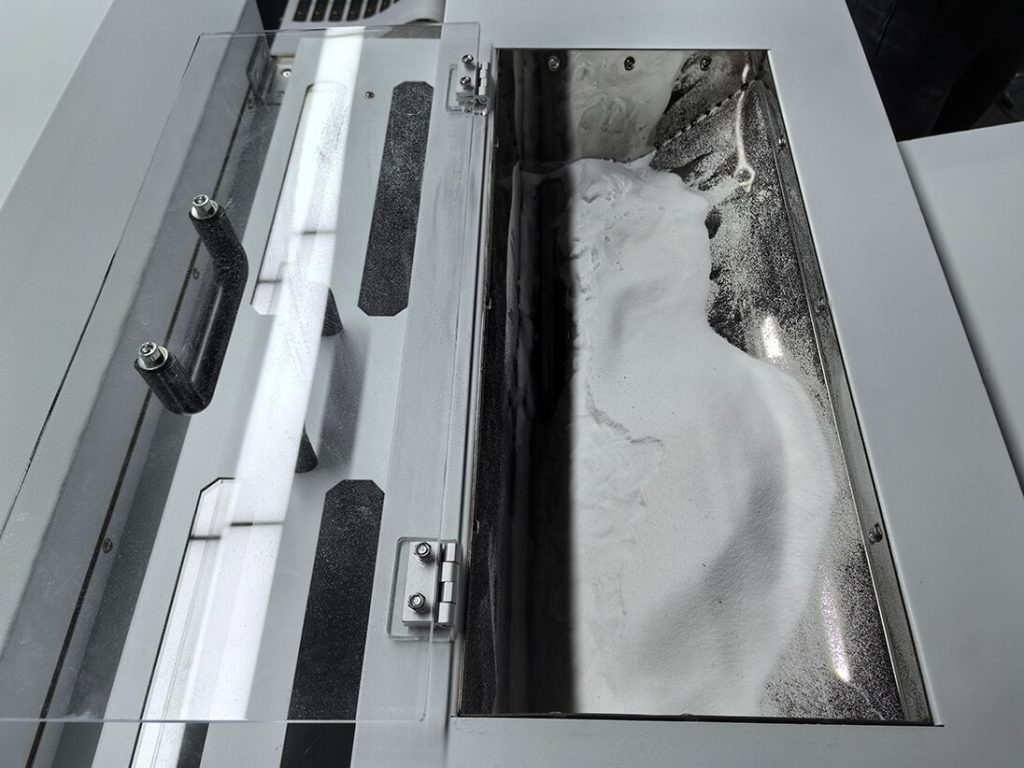
- Apply hot-melt adhesive powder only while the ink is still wet.
- Remove all excess powder before curing - leftover powder creates patchy bonds.
- Cure powder fully - under-cured powder is brittle and cracks on first wash.
- Use the powder grade matched to the fabric: fine powder for high-detail prints, medium / coarse for heavyweight stock.
Heat-press settings (reference)
| Setting | Target |
|---|---|
| Temperature | 160–170 °C |
| Dwell time | 15–20 seconds |
| Pressure | Medium and even |
| Peel | Per film TDS - cold peel or warm peel as specified |
Cold peel typically gives stronger bonds; hot peel is faster but more sensitive to operator timing.
Wash and post-use care
Customer-side care matters as much as production:
- Wash garments inside out
- Use cold water
- Choose gentle / delicate cycle
- Use mild detergent - no enzymatic / brightener-heavy products
- Avoid bleach entirely
- Air dry - high-heat tumble dry causes shrinkage and crack propagation
Print care instructions on hangtags or care labels - see the HY-60 wash-label printer for in-house care-label production.
Maintenance routine
A consistent daily routine prevents most production-side fade causes:
- Pre-shift: nozzle check, white-ink agitation/circulation check, film tension check, heater temps verified.
- Mid-shift: visual checks on white coverage and adhesive bond - pull a test transfer and stretch-flex it.
- Post-shift: purge, cap heads, clean wiper and capping station, seal inks.
Conclusion
DTF prints fade for a small set of reasons, all in the operator’s control: ink quality, curing completeness, white-ink integrity and end-user care. Build the heat-press settings, powder routine and care guidance into a documented SOP - fade resistance is a process outcome, not a luck outcome.
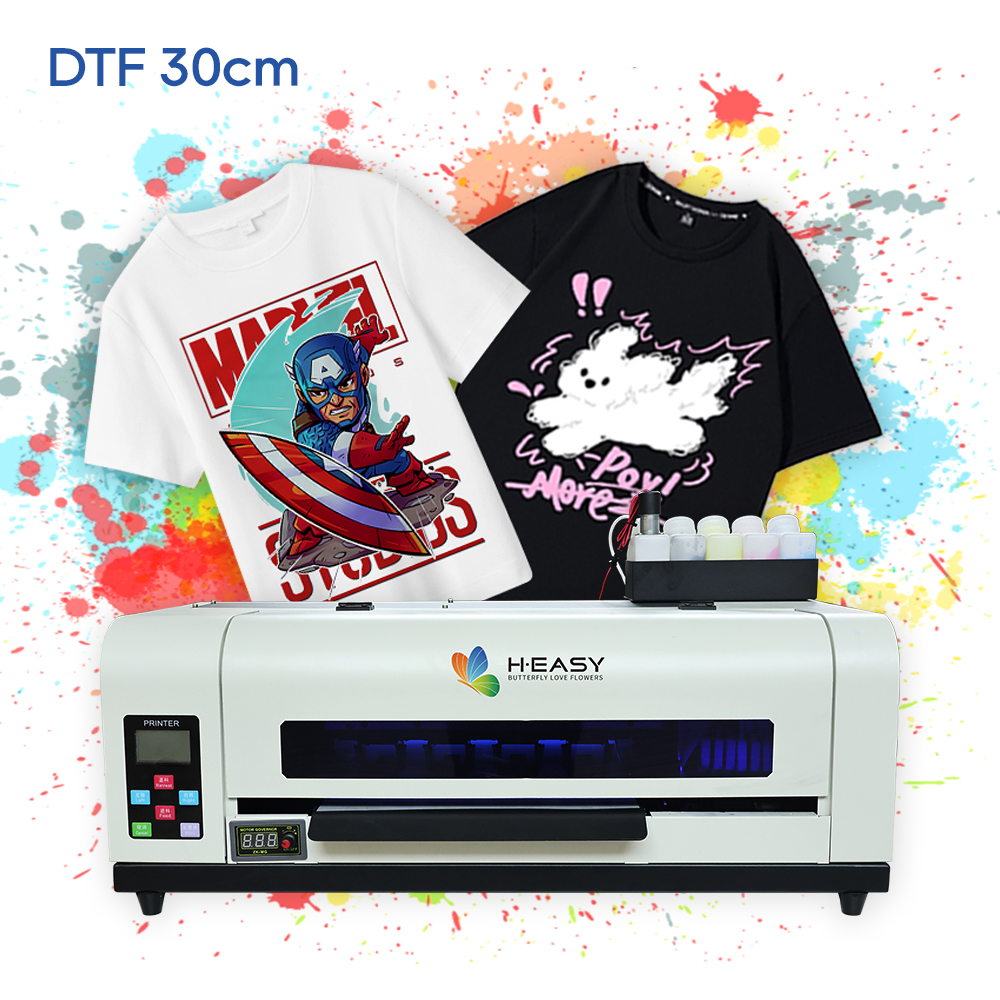
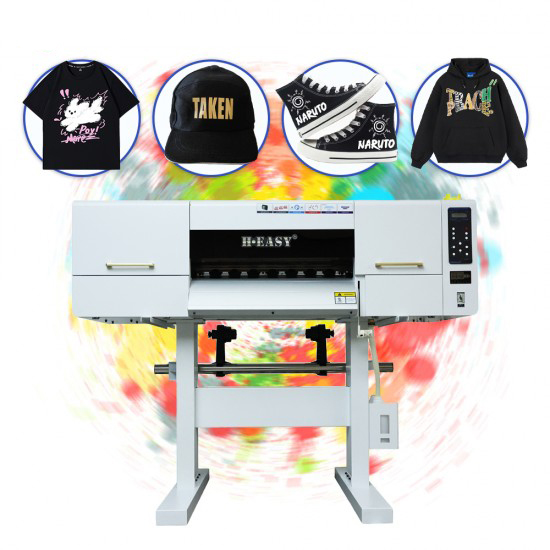
For machines built with white-ink reliability as a first-class feature, see the HY-401 30cm desktop DTF or the HY-702 60cm production DTF.
Printers matched to this guide