Fabric Pretreatment: Why It Matters in Pigment Printing
Pretreatment is the sizing coating applied to fabric before pigment printing. It controls how ink behaves on the fabric: adhesion, edge sharpness, color vibrancy and batch-to-batch consistency. Most pigment-printing quality problems are pretreatment problems, not machine problems. This post walks why pretreatment matters and what to control.
What pretreatment does, chemically
Pigment ink bonds to the fabric surface via a binder system, not by fibre-specific chemistry. The pretreatment provides the surface that binder bonds to:
- Coats the fibre surface with sizing chemistry that holds the binder
- Controls ink absorbency so ink stays on the surface where it’s visible
- Smooths microfibres to reduce wicking and edge feathering
- Adjusts surface pH to optimal range for ink chemistry
Skip or under-apply pretreatment and the ink sinks into the fibre, disappearing visually and losing fastness.
Four impacts on print quality
1. Adhesion
Pigment inks rely on surface bonding, not chemical reactions with the fibre. The binder needs a properly conditioned surface to grip. Poor pretreatment = weak fixation = poor rubbing fastness and faster wash-out.
2. Edge sharpness
Without proper sizing, ink spreads uncontrollably at the print edge, causing blurry edges and feathering. Pretreatment controls the absorbency so each ink droplet stays where the inkjet placed it.
3. Color vibrancy
- Poor pretreatment → ink wicks into fibre → dull, washed-out colors
- Proper pretreatment → ink stays on surface → rich, vibrant colors
The color difference between well-pretreated and poorly-pretreated fabric at the same ink consumption is usually dramatic.
4. Consistency
Uneven pretreatment application creates color variation and banding across batches. Two rolls of the same fabric pretreated differently will print at noticeably different color depths - a customer-visible defect.
Fabric-specific pretreatment
| Fabric | Pretreatment focus |
|---|---|
| Cotton, linen | High absorbency - needs penetration control |
| Polyester | Low absorbency - needs stronger adhesion support |
| Silk, wool | High surface tension - needs precise formulation |
| Nylon | Hybrid - pretreatment tunes both absorbency and bond |
| Blends | Match to dominant fibre + bias toward weaker side |
Don’t use one pretreatment formula across all fabric types - the formulation needs to match the substrate.
Common pretreatment problems
| Problem | Likely cause |
|---|---|
| Uneven coating | Spray nozzle clog, inconsistent line speed |
| Inconsistent batches | Pretreat fluid mixed inconsistently, or chemistry aging |
| Sticky / damp fabric | Incomplete drying after pretreatment |
| Stiff hand after print | Over-sizing - too much pretreat per m² |
| Color streaking | Surface contamination (oils, dust) before pretreat |
| Fixation failures | Wrong pretreatment pH for ink chemistry |
Control points for stable pretreatment
To get consistent pretreated fabric:
- Match pretreat formula to fabric - don’t share formulas across fabric types
- Calibrate spray dosage - measure g/m² applied, not just visual
- Ensure complete drying - fabric must be fully dry before printing
- Climate-control the pretreat line - temperature and humidity matter for sizing chemistry
- Check pretreat pH weekly - chemistry ages and drifts
”Most printing problems are process problems, not machine problems”
This is the core takeaway: pigment-printing failures very rarely originate in the printer itself. They almost always originate in pretreatment. Document the pretreatment SOP carefully, train operators on it, and audit pretreated fabric before it reaches the printer.
Production hardware
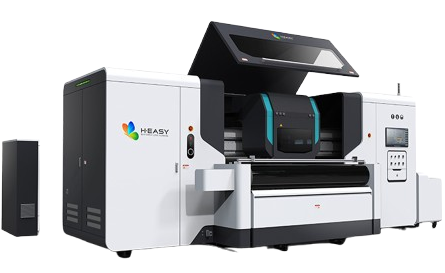
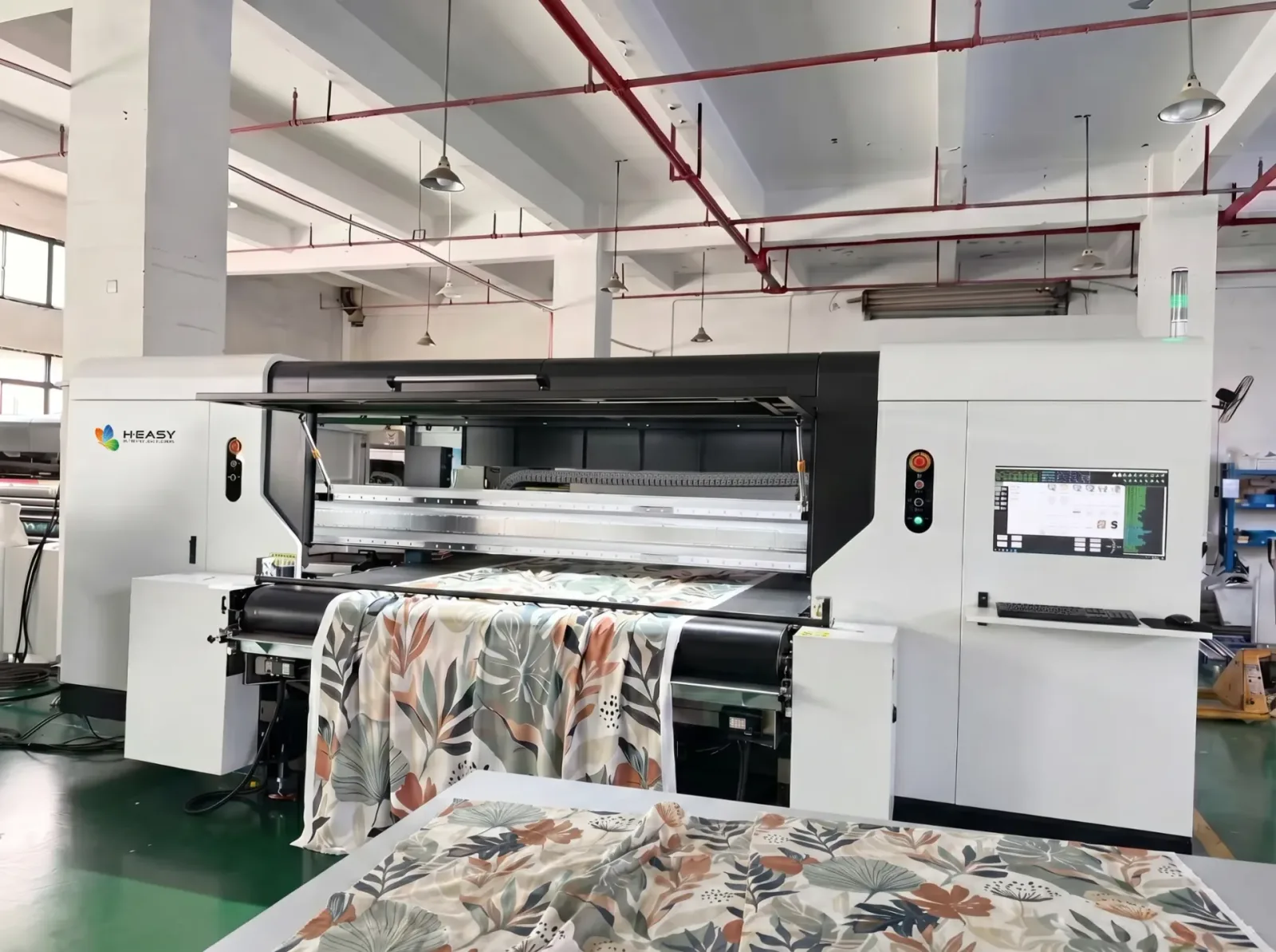
For pigment textile printing at industrial scale, see the H-Series R2R printers - but remember, machine choice is the smaller part of consistent output. Process discipline on pretreatment is the larger part.