How to Start a DTG Printing Business in 2026: From Setup to Profit
Starting a DTG printing business in 2026 costs $13,500–$30,000 fully equipped and follows a six-step setup pattern. Equipment is one third of the actual challenge - the harder problems are choosing a niche, building order flow, and managing pretreatment chemistry. This guide walks the process.
What is DTG printing?
Direct-to-garment (DTG) printing jets water-based CMYK + White pigment ink directly onto pretreated fabric, then heat-cures the print. It produces the softest hand on cotton apparel and handles photo-realistic artwork well. See DTG vs DTF profitability for how it compares to DTF.
Six steps to launch
1. Identify your market niche
General-purpose “print anything” DTG shops compete on price and lose to larger players. Profitable niches in 2026:
- Streetwear and small fashion brands - custom premium cotton
- Pet-themed apparel - owners, breeds, event merch
- Local sports, schools and event merch - high repeat order rate
- Corporate branded items - uniforms, gifts, conference swag
- Print-on-demand fulfilment - for Shopify / Etsy / Amazon Merch sellers
2. Set up the workspace
DTG ink is water-based and humidity-sensitive. Target environment:
- Temperature: 20–25 °C
- Humidity: 40–60% RH
- Ventilation: pretreatment fumes need exhaust
- Space: ~150–250 sq ft for a one-printer setup (printer, pretreat station, press, packing)
3. Choose the DTG printer
Match printer tier to honest daily volume target:
- 0–50 shirts/day → entry-tier ($3K–$7K)
- 50–200 shirts/day → mid-range like the HY-4050 at $7K–$15K - A2 platen and two Brother industrial piezo heads; qualify the complete garment cycle before setting a daily target
- 200+ shirts/day → industrial ($15K–$70K+)
See DTG printer price guide 2026 for the full price-tier breakdown.
4. Acquire essential equipment
| Equipment | Cost range |
|---|---|
| DTG printer | $10,000–$20,000 (mid-range) |
| Pretreatment machine | $1,500–$4,000 |
| Heat press | $500–$2,000 |
| RIP / design software | $200–$500 |
| Blank apparel inventory | $1,000–$2,500 |
| Website and branding | $300–$1,000 |
| Total | $13,500–$30,000 |
5. Design and launch first products
- Produce 10–20 sample SKUs in your chosen niche
- Photograph them properly (white background + lifestyle shots)
- List on Shopify, Etsy, or Amazon Merch depending on niche
- Run wash-and-wear tests on every fabric/design combination before selling - pretreatment failures show up in customer returns
6. Implement marketing
- Define one channel and master it (Instagram Reels for streetwear, FB groups for pet themes, LinkedIn for corporate, etc.)
- Budget $100–$500/month for paid acquisition early
- Build email capture for repeat customers (school sports, corporate reorders)
Hidden costs to budget
- Pretreatment fluid - $50–$200 per 5 L; consumed faster than expected
- Pretreatment machine maintenance - nozzles clog like the printer’s do
- Ink-line maintenance - daily checks are non-negotiable
- Workspace climate control - HVAC investment if your area runs hot/humid
Common challenges
| Challenge | What to do |
|---|---|
| Pretreatment failures on dark fabric | Document the spray-cure routine; train operators |
| White-ink clogging | Follow the documented white-channel maintenance SOP and control room conditions |
| Slow per-piece time on bulk orders | Add DTF for high-volume short-run work |
| Customer complaints about feel | Match expectations - DTG is “softer than DTF, not invisible” |
Should you add DTF too?
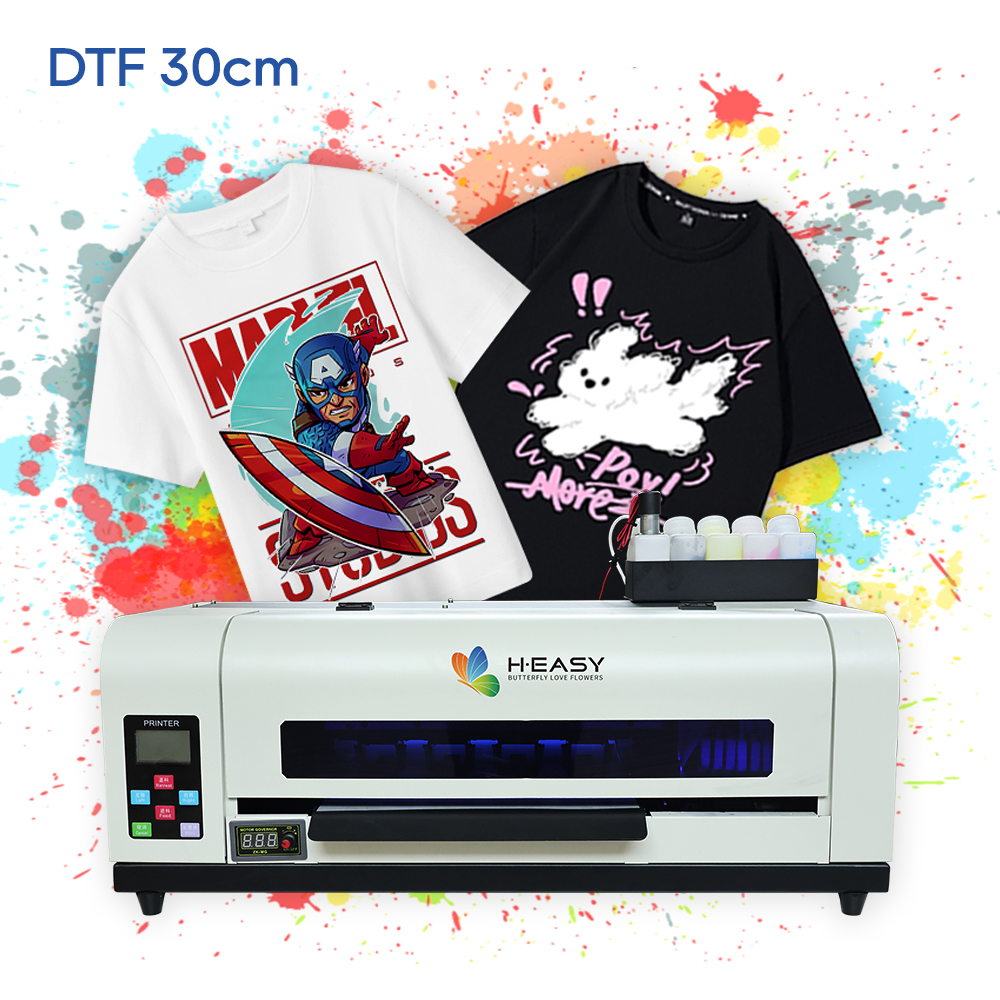
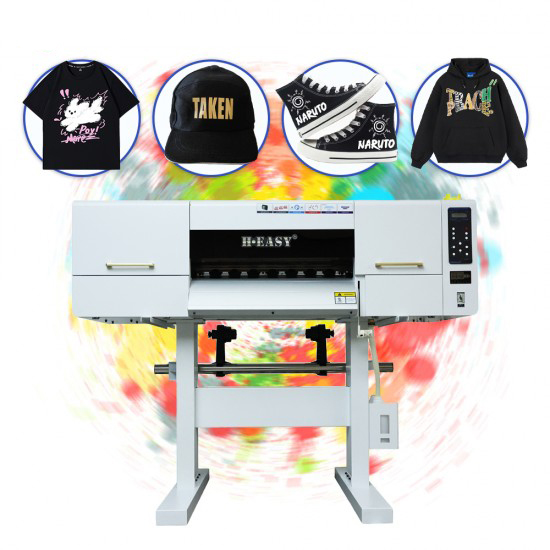
Most successful DTG businesses add DTF within the first year. DTG handles premium cotton; DTF handles everything else (dark synthetics, mixed fabric, short runs, rush orders). A market-level planning scenario for both processes is ~$20K–$35K; this is not a price quote for any listed machine. See the HY-401 30cm DTF or HY-702 60cm DTF for workflow tiers, then request a configured quotation.
Conclusion
A DTG business succeeds on niche, order flow and pretreatment discipline
- not on having the most expensive printer. Pick a niche, buy the printer that matches realistic daily volume, build the marketing channel, and document pretreatment so quality stays consistent as you scale.
Continue your production plan
Printers matched to this guide